




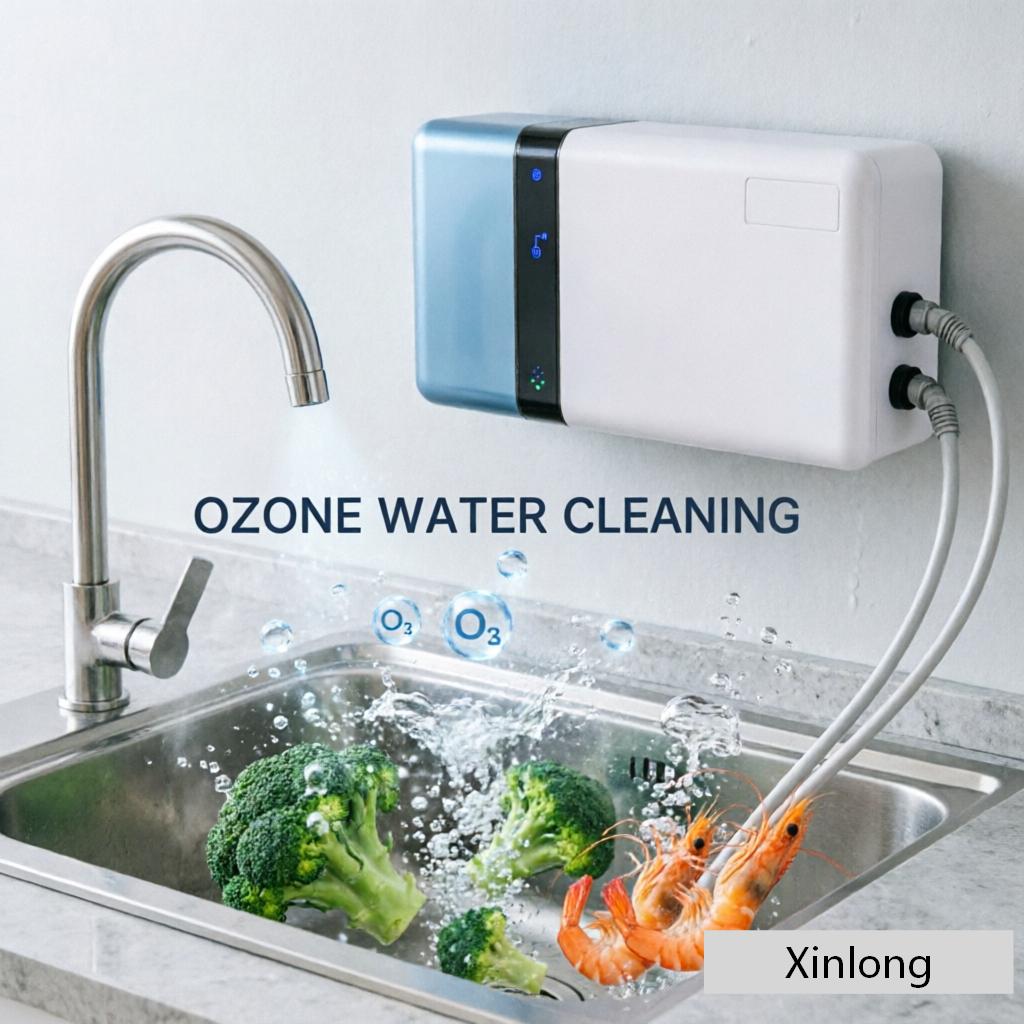

Your Guide to Ozone Water: From Safer Seafood to Longer-Lasting Freshness
Ozone Water for Food: Does It Really Extend Shelf Life and Reduce Hormones?
Discover how food-grade ozone machines work to inhibit bacteria, remove odors, extend shelf life by 30-50%, and help break down surface hormone residues in seafood and meat. Learn proper usage and realistic benefits.
Introduction: The Growing Demand for Cleaner Food
In today's health-conscious world, consumers increasingly seek ways to ensure their food is not only fresh but also free from unwanted contaminants. Between concerns about bacterial contamination, food waste, and potential hormone residues in animal products, the search for effective home and commercial food safety solutions has intensified.
Enter ozone water technology—a method long used in commercial food processing that's now becoming accessible for home kitchens, restaurants, and food businesses. But what exactly can it do? Is it a miracle solution or just another kitchen gadget?
This comprehensive guide breaks down the science, benefits, and realistic applications of ozone water treatment for seafood and meat, helping you make an informed decision about whether this technology belongs in your kitchen.
What Is Ozone Water and How Does It Work?
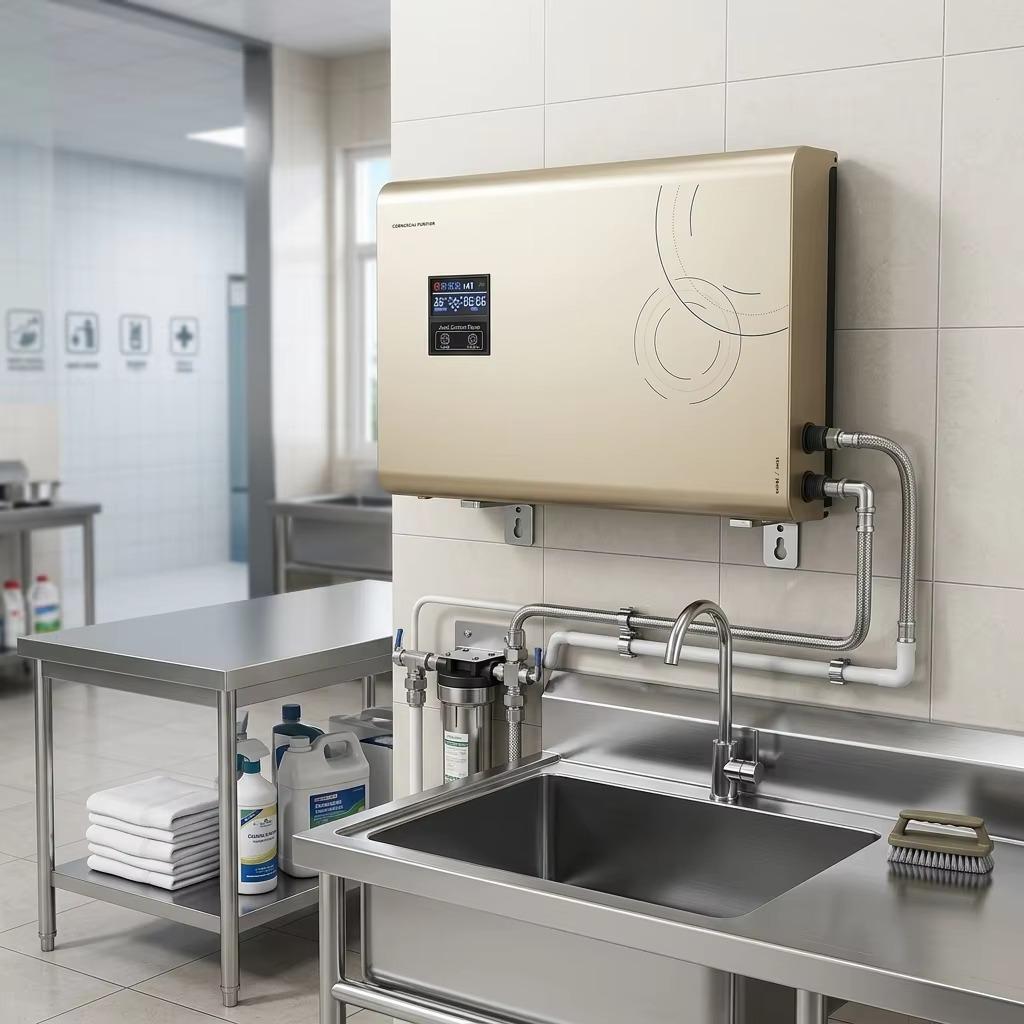
Ozone (O₃) is a naturally occurring gas composed of three oxygen atoms. It's a powerful oxidizing agent, meaning it readily reacts with and breaks down other substances. When dissolved in water, ozone creates ozonated water—a clear, odorless liquid with remarkable disinfecting properties.
The science is straightforward: ozone attacks contaminants through oxidation. It punctures bacterial cell walls, neutralizes odor-causing molecules, and can even break down certain chemical residues into simpler, harmless components.
The Three Key Benefits of Ozone Water for Food
1. Extended Shelf Life: Reduce Waste, Save Money
Ozone water's most proven benefit is its ability to significantly slow spoilage. By reducing surface bacteria like E. coli, Salmonella, and mold by up to 99.9%, it addresses the primary cause of food decomposition.
Real-world results: Users consistently report 30-50% longer freshness for both seafood and meat when treated with ozone water and properly refrigerated. For a household that spends $200 monthly on meat and seafood, this could mean saving $60-100 monthly on reduced waste.
2. Odor Elimination: Enjoy Truer Flavors
The "fishy" smell of seafood or the metallic scent of meat isn't just unpleasant—it often indicates the beginning of spoilage. These odors come from volatile organic compounds (VOCs) like trimethylamine in fish.
Unlike masking agents or chemical washes, ozone water actually breaks down these odor molecules at a chemical level, converting them to odorless carbon dioxide and water. The result? Cleaner-tasting protein that lets its natural flavor shine through.
3. Surface Hormone Reduction: An Added Layer of Protection
This is where ozone water technology gets particularly interesting for health-conscious consumers. Certain hormone residues used in animal farming—especially water-soluble varieties with simpler molecular structures—can be degraded by ozone's oxidation.
Important clarification: Ozone water primarily affects surface-level residues. It doesn't penetrate deep tissue to remove internally embedded hormones. Think of it as an additional safety step rather than a complete solution. For comprehensive food safety, ozone treatment should complement—not replace—sourcing from trusted, reputable suppliers.
Optimal Usage Guidelines for Best Results
To achieve consistent, effective results while maintaining food quality, follow these evidence-based parameters:
| Parameter | Recommended Range | Why It Matters |
|---|---|---|
| Concentration | 0.5–2.0 mg/L | Too low = ineffective; too high = may affect food texture |
| Treatment Time | 5–20 minutes | Surface contact time needed for oxidation processes |
| Water Temperature | 0–10°C (32–50°F) | Cold water stabilizes ozone, preventing rapid decomposition |
| Post-Treatment | Brief rinse with clean water | Removes any residual ozone (which naturally decomposes to oxygen) |
Step-by-Step Process:
- Generate ozonated water using a food-grade generator
- Submerge or thoroughly rinse seafood/meat for recommended time
- Remove and briefly rinse with clean water
- Pat dry and refrigerate or prepare immediately
Who Can Benefit Most from Ozone Water Technology?
Home Cooks & Health-Conscious Families
- Reduce food waste and grocery costs
- Add an extra layer of food safety before preparation
- Eliminate strong odors from fish and organ meats
Restaurants & Food Service Businesses
- Extend shelf life of expensive protein ingredients
- Maintain consistent quality and reduce waste costs
- Address customer concerns about food safety transparently
Seafood Markets & Butcher Shops
- Present fresher-smelling, longer-lasting products
- Differentiate from competitors with advanced food safety practices
- Reduce losses from spoilage, especially with premium inventory
Common Questions Answered
Q: Is ozone water treatment safe for daily home use?
A: Yes, when using equipment designed specifically for food applications. Quality ozone generators use food-contact approved materials, and ozone itself quickly reverts to harmless oxygen, leaving minimal residue.
Q: Can ozone water replace proper refrigeration?
A: Absolutely not. Ozone treatment complements but doesn't replace standard food safety practices. Always refrigerate treated foods promptly and observe standard storage guidelines.
Q: Will ozone water change the texture of meat or fish?
A: When used within recommended parameters, texture changes are minimal. However, over-treatment (excessive concentration or time) can potentially affect proteins at the surface. Following guidelines preserves optimal texture.
Q: How does this compare to commercial food washes?
A: Unlike many chemical washes, ozone water leaves no chemical residue and doesn't require extensive rinsing. It's also more versatile—the same generator can be used for produce, kitchen surfaces, and even odor removal in refrigerators.
The Bottom Line: Realistic Expectations
Ozone water technology offers tangible, science-backed benefits for food safety and preservation. Its abilities to extend shelf life, eliminate odors, and reduce surface contaminants make it valuable for both home and commercial use.
However, it's crucial to maintain realistic expectations. This technology works best as:
- A surface treatment for bacteria and odor molecules
- An additional safety step in your overall food safety approach
- A complement to, not replacement for, proper sourcing and refrigeration
For those seeking to reduce food waste, enhance food safety protocols, and enjoy cleaner-tasting seafood and meat, a quality food-grade ozone water system represents a practical investment in both health and economy.
Ready to experience the difference? Explore our ozone water systems, each designed with precision, safety, and real-world kitchen needs in mind. Have more questions? Our food safety specialists are always available to help you find the perfect solution for your home or business.
Tags:
Related Posts