




Ozone Water: A Natural, Multi-Purpose Solution for Home Cleaning & Sanitization
Ozone water is a safe, environmentally friendly and efficient home cleaning and sanitizing tool. It uses the strong oxidizing properties of ozone to decompose dirt, bacteria and harmful residues, without adding any chemical ingredients, making it more reassuring for families with elders, children and pets. This guide will detail everything you need to know about ozone water and ozone water machines, helping you use them correctly and maximize their effectiveness.
1. What is ozone water and how does it work?
* Basic principle of ozone water generation (simple and easy to understand, avoiding excessive professional terms)
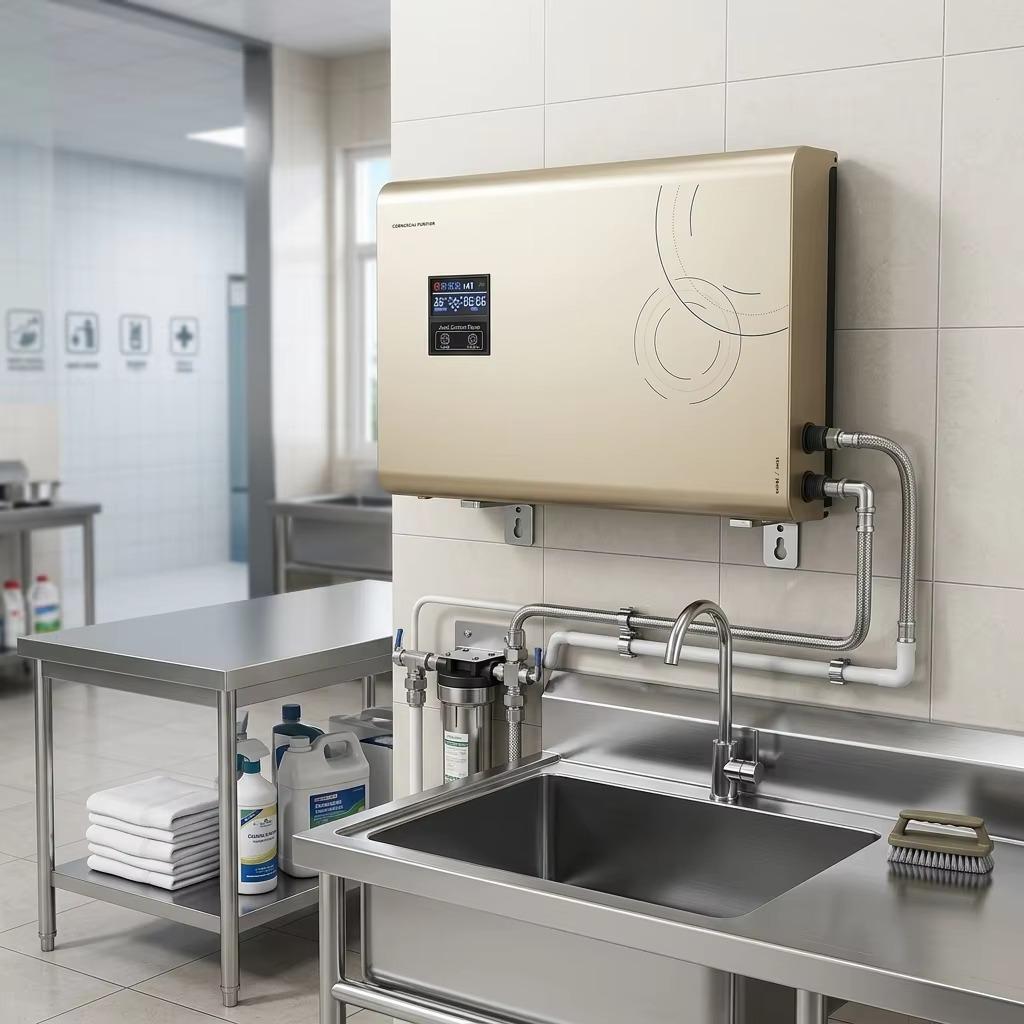
Ozone water is produced by an ozone water machine that converts oxygen in the air into ozone through an ozone generator, and then fully dissolves the ozone into tap water to form ozone water. You don’t need to understand complex chemical reactions—just know that this process is physical and chemical-free, and the generated ozone water can quickly act on dirt and bacteria. After use, ozone will naturally decompose into oxygen and water within a few minutes, leaving no residues. It’s like having a "natural disinfectant maker" at home.
* Safety of ozone water for home use (no residual harmful substances, difference from traditional chemical disinfectants)
Ozone water is extremely safe for home use, which is its biggest advantage over traditional chemical disinfectants (such as 84 disinfectant, alcohol). Traditional disinfectants often leave chemical residues on surfaces, tableware or food, which may cause irritation to the skin, respiratory tract or even be ingested by mistake. In contrast, ozone water decomposes completely without leaving any harmful substances. It will not damage tableware, furniture or skin (when used according to the standard), and is suitable for daily cleaning of all parts of the home, including food cleaning.
2.Ozone Water Usage Guide: How to Use It Correctly for Different Scenarios?
* Fruit and vegetable cleaning: recommended soaking time, operation steps, and precautions (to maximize residue removal)
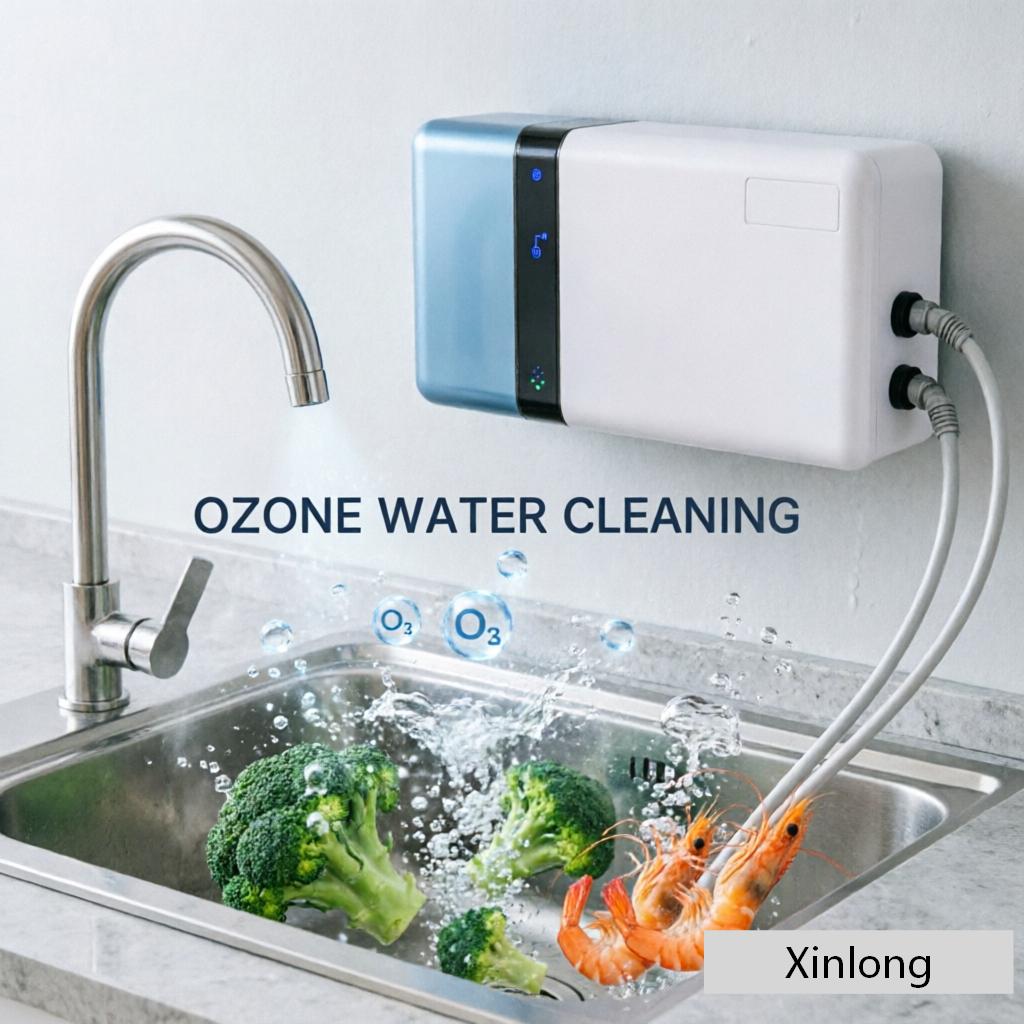
Operation steps: First, rinse the fruits and vegetables with tap water to remove surface visible dirt; then put them into a clean basin, pour ozone water generated by the ozone water machine, and ensure that the fruits and vegetables are completely submerged. Recommended soaking time: 5-8 minutes for general fruits and vegetables (such as apples, tomatoes); 10-12 minutes for leafy vegetables (such as spinach, lettuce) or fruits with thick peels (such as grapes, strawberries). Precautions: Do not soak for more than 15 minutes to avoid affecting the taste and nutrition of fruits and vegetables; after soaking, rinse with clean water slightly (only to remove the decomposed residue on the surface), and then you can eat or process. This method can effectively remove pesticide residues, soil bacteria and dust on the surface of fruits and vegetables.
* Meat and seafood rinsing: how to use ozone water to reduce odors and bacteria without affecting the taste
Operation steps: Cut the meat (pork, beef, chicken) into appropriate pieces, rinse with tap water first; put the meat or seafood (fish, shrimp, crab) into a basin, pour ozone water, and soak for 3-5 minutes, during which you can gently stir with your hands to make the ozone water fully contact the surface. After soaking, rinse with clean water to remove the decomposed bacteria and odor-causing substances on the surface. Precautions: Do not soak for too long (no more than 6 minutes), otherwise it may affect the tenderness of the meat; for seafood with strong fishy smell (such as sea bass, crab), you can extend the soaking time to 5-6 minutes, which can effectively remove the fishy smell without changing the original flavor of the ingredients.
* Laundry auxiliary: dosage of ozone water, matching with detergent, suitable for different types of clothes
Usage method: When doing laundry, first put the clothes into the washing machine, add an appropriate amount of ozone water (200-300ml for a 5kg load of clothes, adjust according to the amount of clothes), then add 1/3 of the usual amount of detergent, and start the washing machine as usual. Suitable for: cotton, linen, polyester and other common fabrics; not suitable for: silk, wool and other delicate fabrics (ozone water may damage the fiber structure of delicate fabrics). Benefits: Ozone water can enhance the decontamination ability of detergent, reduce the use of chemical detergents, make clothes cleaner and fresher, and also reduce the residue of detergent on clothes, which is more friendly to people with sensitive skin.
*Daily water disinfection: usage method for drinking water, kitchen/bathroom tap water, and precautions
1. Drinking water disinfection: Pour tap water into a clean water container, use an ozone water machine to inject ozone into the water, let it stand for 3-5 minutes, and then drink it (ozone will decompose completely within a few minutes, no need to worry about ozone residue). This method can effectively kill bacteria, viruses and other harmful substances in tap water, making drinking water safer.
2. Kitchen/bathroom tap water disinfection: When using tap water for cleaning (such as washing dishes, wiping the countertop), you can first turn on the ozone water machine, connect it to the tap, and use ozone water directly for cleaning, which can disinfect while cleaning, reducing the breeding of bacteria in the kitchen and bathroom. Precautions: Do not use ozone water for long-term storage (it is best to use it immediately after generation), because ozone will gradually decompose and reduce the disinfection effect.
*Pet bathing: dilution ratio of ozone water, bathing steps, and benefits for pet fur and skin
Dilution ratio: Ozone water needs to be diluted before bathing pets, with a ratio of 1:10 (1 part ozone water + 10 parts clean water), which is suitable for most pets (dogs, cats). Bathing steps: First, wet the pet’s fur with warm water; apply the diluted ozone water to the pet’s body, gently rub the fur (focus on areas with more dirt or odor, such as the abdomen and paws), and let it stand for 2-3 minutes; then rinse the fur with warm water until it is clean, and dry it with a towel or hair dryer. Benefits: Ozone water can kill bacteria and fungi on the pet’s fur and skin, effectively removing pet body odor (such as dog odor, cat odor) without using chemical pet shower gel; it is mild and non-irritating, and will not damage the pet’s skin barrier, which is suitable for pets with sensitive skin. Precautions: Do not let the diluted ozone water enter the pet’s eyes, mouth or nose; after bathing, dry the pet’s fur in time to avoid catching a cold.
3. Common Misunderstandings About Ozone Water: What Should We Pay Attention To?
* Myth 1: Ozone water is corrosive to tableware/skin (clarification and correct use tips)
Clarification: Ozone water used at home has a low concentration, which is not corrosive to common tableware (ceramic, glass, stainless steel) and human skin. The reason why some people feel skin irritation is that they use undiluted high-concentration ozone water or soak their skin for a long time. Correct use tips: When using ozone water for cleaning, wear gloves if you need to contact it for a long time; after cleaning tableware, rinse it with clean water slightly (though there is no residue, it can avoid the slight ozone smell); do not use high-concentration ozone water directly (follow the instructions of the ozone water machine to generate water).
* Myth 2: The higher the ozone concentration, the better (reasonable concentration range for home use)
Clarification: For home use, the concentration of ozone water does not need to be too high—too high concentration will not only waste energy, but also may leave a strong ozone smell, and even cause slight irritation to the respiratory tract if used in a closed space. Reasonable concentration range: The concentration of ozone water generated by household ozone water machines is generally 0.3-0.5mg/L, which is sufficient to meet daily cleaning and disinfection needs (such as food cleaning, surface disinfection). Tips: Do not adjust the ozone generator to the maximum concentration for a long time; when using ozone water in a closed space (such as a small bathroom), open the window for ventilation appropriately.
* Myth 3: Ozone water can replace all cleaning products (scope of application and limitations)
Clarification: Ozone water is excellent at disinfection, deodorization and removing light residues, but it cannot replace all cleaning products. Limitations: It is not effective for heavy oil stains (such as kitchen range hood oil stains, pot bottom scale), because these heavy dirt requires the decontamination components in detergent to dissolve; it cannot replace detergent for cleaning clothes with heavy stains (such as ink stains, oil stains), and needs to be used with detergent. Correct use: Use ozone water for daily disinfection, deodorization and light dirt cleaning, and cooperate with detergent for heavy dirt cleaning, so as to achieve better cleaning effect.
4. Daily Maintenance of Ozone Water Machine: How to Extend Its Service Life?
* Regular cleaning of the machine (components that need cleaning, cleaning frequency and methods)
Components to be cleaned: Ozone generator, water outlet nozzle, water storage tank (if any) of the ozone water machine. Cleaning frequency: Clean once every 1-2 months (adjust according to the frequency of use; if used frequently, clean once a month). Cleaning method: 1. Turn off the power and unplug the machine, wait for it to cool down completely. 2. Pour an appropriate amount of white vinegar into the water storage tank (or connect the machine to the tap, let the white vinegar flow through the machine), soak for 30 minutes (to remove scale and dirt). 3. Rinse the machine with clean water 2-3 times to ensure that there is no vinegar smell. 4. Wipe the surface of the machine with a dry cloth to keep it dry. Precautions: Do not use hard brushes or corrosive cleaning agents (such as 84 disinfectant) to clean the machine, so as not to damage the components.
* Storage precautions when not in use (avoiding direct sunlight, dry and ventilated placement)
When the ozone water machine is not used for a long time (more than 1 week), please do the following: 1. Empty the water in the water storage tank, rinse it with clean water, and dry it completely. 2. Unplug the power plug and wrap the power cord neatly. 3. Place the machine in a dry, ventilated and cool place, avoid direct sunlight (direct sunlight will damage the ozone generator and shorten the service life), and avoid placing it in a humid environment (such as a bathroom with no ventilation) to prevent component oxidation and mold growth.
* Common faults and simple troubleshooting (such as no ozone generation, abnormal water flow)
1. No ozone generation: Check whether the power is connected and the switch is turned on; check whether the ozone generator is blocked by dirt (if so, clean it according to the regular cleaning method); if it still does not work, contact the after-sales service.
2. Abnormal water flow (too small or no water flow): Check whether the water inlet is blocked by impurities (clean the water inlet filter); check whether the water pipe is kinked or blocked; check whether the water pressure is normal (if the water pressure is too low, the water flow will be small).
3. Strong ozone smell: Check whether the ozone concentration is adjusted too high (lower the concentration); check whether the use environment is closed (open the window for ventilation); check whether the machine is used for too long (turn off the machine and rest for a while).
5. Why Choose Ozone Water Machine? Comparison with Traditional Cleaning Methods
* Comparison with chemical disinfectants (safety, environmental protection, no residue)
Traditional chemical disinfectants (such as 84 disinfectant, disinfectant wipes) have the following drawbacks: they contain harmful chemical ingredients, leave residues easily, irritate the skin and respiratory tract, and are not suitable for food cleaning. In contrast, ozone water is generated by physical methods, no chemical additives, no residues after use, and will not cause any harm to the human body and the environment. It can be used for food cleaning (such as fruits, vegetables, meat), which is safer and more reassuring. At the same time, ozone water is more environmentally friendly—after decomposition, it becomes oxygen and water, without polluting the environment.
* Comparison with ordinary tap water cleaning (better sanitization effect, more thorough decontamination)
Ordinary tap water can only remove visible dirt on the surface of objects, but cannot kill bacteria, viruses and other harmful substances, nor can it remove pesticide residues on fruits and vegetables and odors on meat. Ozone water has strong oxidizing properties, which can not only remove surface dirt, but also kill 99% of bacteria and viruses on the surface, decompose pesticide residues and odor-causing substances, and achieve the effect of "cleaning + disinfection" at the same time. For example, cleaning fruits with tap water can only remove dust, while using ozone water can remove hidden pesticide residues and bacteria, making eating more reassuring.
* Cost-effectiveness: long-term use saves the cost of cleaning products (detergents, disinfectants, etc.)
Although the ozone water machine needs a one-time investment, it can save a lot of costs in the long run. On the one hand, ozone water can replace most chemical disinfectants (such as 84 disinfectant, disinfectant water), reducing the cost of purchasing disinfectants; on the other hand, when used for laundry, it can reduce the dosage of detergent by 2/3, saving the cost of detergent. In addition, ozone water is generated by tap water and air, which has almost no additional cost after the machine is purchased. Compared with purchasing a variety of cleaning products for a long time, the ozone water machine is more cost-effective and more convenient (one machine can meet multiple cleaning needs).
Related Posts