




How Ozone Disinfection Eliminates Pythium & Boosts Hydroponic Yields (Without Chemicals)
Stop Letting Waterborne Pathogens Eat Your Hydroponic Profits: A Commercial Guide to Ozone Disinfection
Root rot (Pythium), clogged drippers, and rapid pathogen outbreaks are every hydroponic grower’s worst nightmare. In a closed-loop system, a single infected bench can spread waterborne pathogens to your entire harvest in a matter of hours.
For decades, commercial greenhouse operators relied on harsh chemical sanitizers like chlorine, hydrogen peroxide, or copper compounds to control water quality. But chemical sanitizers come with a steep cost:
- They leave lingering toxic residues that burn tender root tips.
- They alter water pH and interact unpredictably with delicate nutrient formulas.
- They limit how much drain water you can safely recirculate, forcing you to dump thousands of gallons of nutrient-rich water down the drain every week.
If you’re running a modern greenhouse or vertical farm, there is a far more efficient, chemical-free way to sterilize your irrigation water.
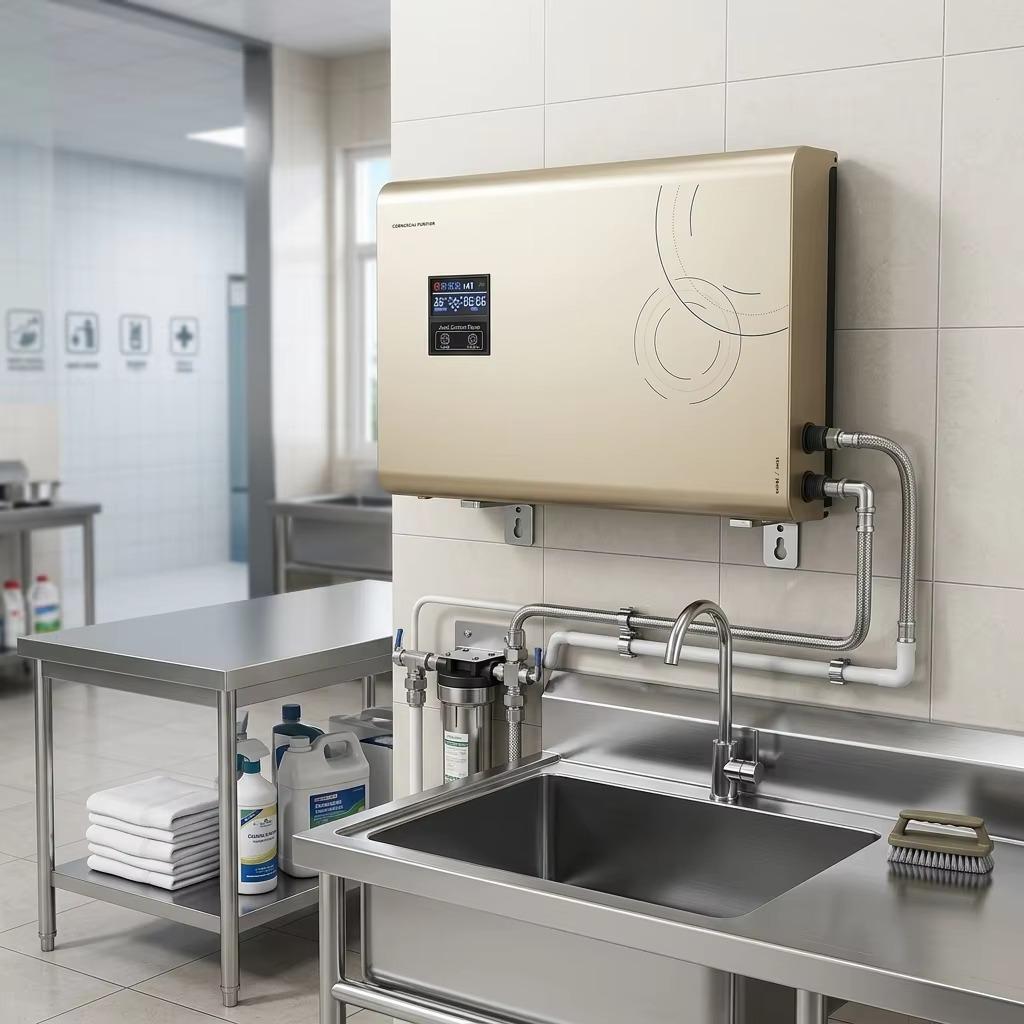
Here is how industrial ozone water treatment protects your crops, restores your irrigation lines, and slashes water costs without leaving a single trace of chemical residue.
The Hidden Bottleneck in Hydroponic Systems: Water Hygiene
In high-density commercial hydroponics, your water loop is your greatest asset—and your biggest vulnerability.
Pathogens like Pythium, Phytophthora, and Fusarium thrive in warm, nutrient-rich recirculating water. Traditional filtration alone (like micro-screening or sand filters) can capture suspended solids, but it cannot kill microscopic spores or strip away the slippery biofilm clinging to the inside of your drip lines.
Biofilm acts as a nursery for bacteria and causes uneven flow rates across your irrigation zones. When drip emitters clog or deliver uneven dose rates, crop uniformity drops, directly impacting your yield at harvest.
How Ozone Sterilization Works (And Why It Outperforms Chemicals)
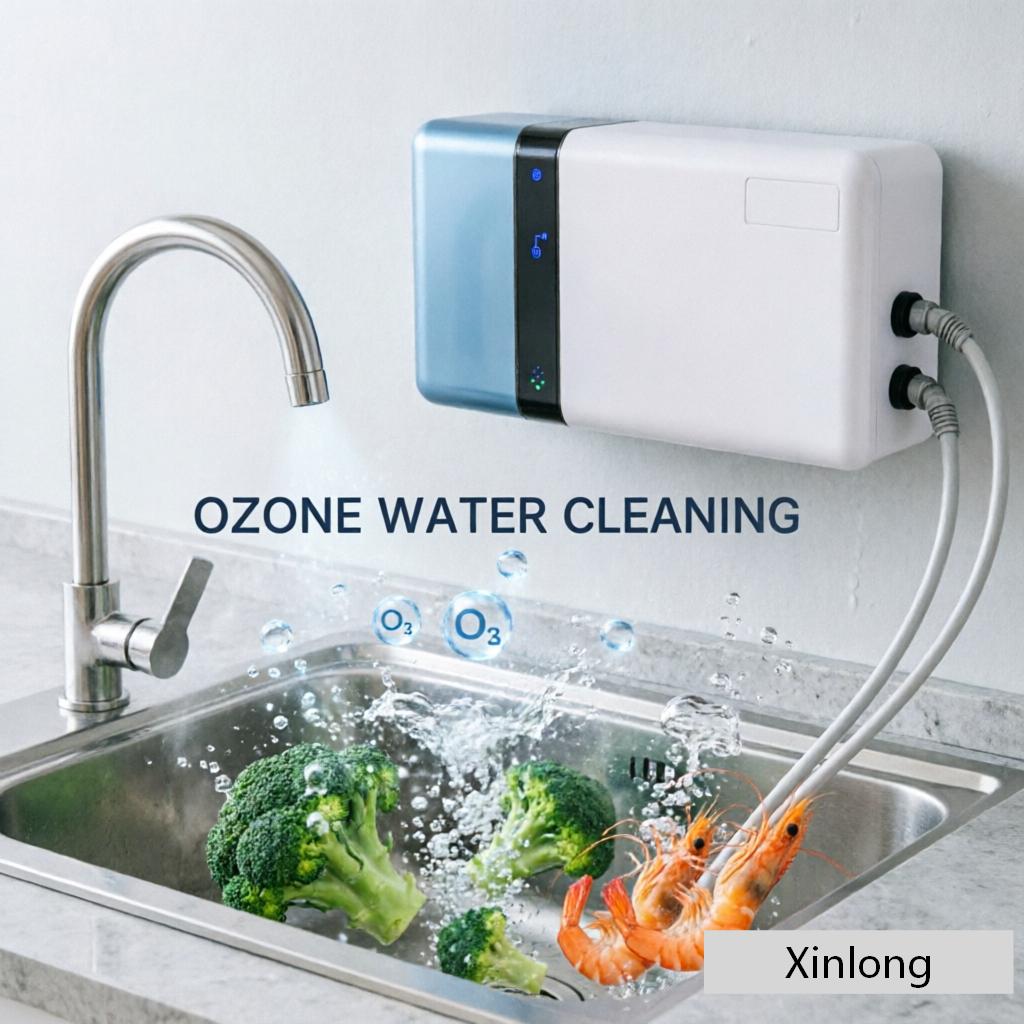
Ozone (O3) is one of nature’s most powerful oxidizing agents—roughly 1.5 times stronger than chlorine and exponentially faster at destroying organic pathogens.
When dissolved into irrigation water, ozone destroys the cell walls of bacteria, fungi, spores, and viruses on contact.
Ozone (O3) contacts pathogen ➔ Oxidizes cell wall instantly ➔ Converts naturally back into Dissolved Oxygen (O2)The key reason commercial growers are switching from chemical sanitizers to ozone comes down to its zero-residue reaction:
1. Zero Chemical Residue (100% Safe for Recirculating Systems)
Unlike chlorine or chemical biocide additives, ozone has a very short half-life in water. After oxidizing organic matter, it naturally breaks down into pure dissolved oxygen (O2). There are no chemical salts, toxic byproducts, or residue build-ups to damage sensitive root membranes or compromise organic certification standards.
2. Supercharged Root Respiration & Faster Growth
Because dissolved ozone breaks down into pure oxygen, it dramatically boosts Dissolved Oxygen (DO) levels in your nutrient tank. Oxygen-rich root zones absorb nutrients significantly faster, resist root rot diseases, and accelerate overall crop growth rates.
3. Continuous Biofilm and Dripper Maintenance
Ozone continuously strips organic biofilm from the inside of mainlines, sub-mains, and micro-drippers. Clean drip lines mean uniform water delivery, zero manual line flushing downtime, and extended irrigation hardware lifespans.
The Financial Impact: Up to 40% Savings on Water & Nutrients
With rising utility costs and tightening environmental regulations on fertilizer runoff, zero-liquid-discharge (ZLD) or closed-loop recycling is no longer optional for modern greenhouses—it’s a commercial necessity.
By installing a dedicated commercial dissolved ozone system at your main holding tank or recirculating loop:
- Recycle Drain Water Safely: Completely sterilize run-off nutrient water without worrying about pathogen accumulation or chemical residue buildup.
- Cut Input Costs: Reduce fresh water consumption and costly raw fertilizer usage by up to 30% to 40%.
- Protect Crop Yields: Eliminate harvest loss caused by systemic root rot outbreaks.
Choosing the Right Ozone Water System for Your Operation
Not all ozone systems are created equal. Commercial hydroponic operations require precisely engineered dissolved ozone systems tailored to specific flow rates (GPM or m^3/hr), target ozone contact times, and automated oxidation-reduction potential (ORP) monitoring.
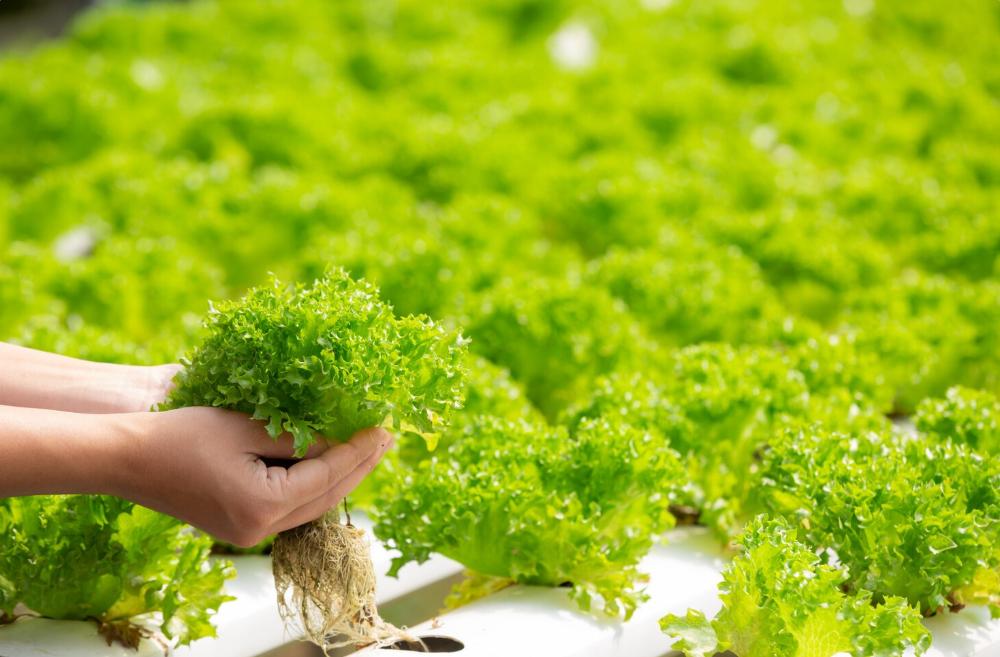
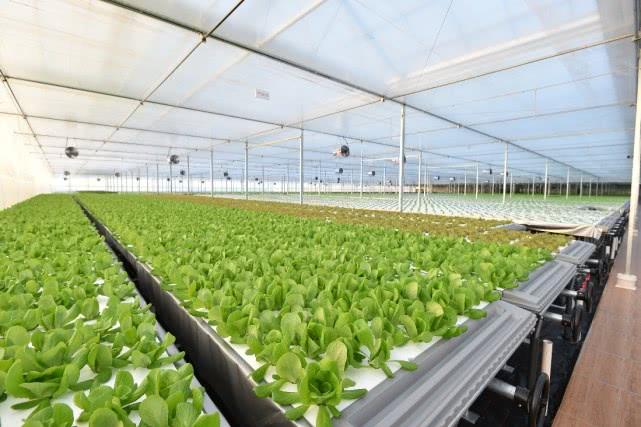
Whether you operate a 10,000 sq. ft. NFT leafy green facility, a commercial Dutch-style glasshouse, or an indoor vertical farm, integrating ozone into your fertigation protocol is easier than you think.
Upgrade Your Irrigation Water Quality Today
Stop letting unpredictable water quality cap your yields and waste your fertilizer investments.
Want to see how an industrial ozone generator or dissolved ozone water system fits into your current fertigation setup?
👉 [Click Here to Explore Our Commercial Ozone Systems]
(Or contact our technical engineering team today for a custom water analysis and system sizing proposal for your farm.)
Tags:
Related Posts