




How to Wash Salad Veggies with Ozone Water for Maximum Freshness & Safety
Keeping green leafy vegetables fresh and free from contaminants is a constant challenge, both for home cooks and commercial meal preppers. While conventional tap water rinses away surface dirt, it falls short when dealing with invisible threats like chemical pesticide residues and harmful foodborne pathogens like E. coli or Salmonella.
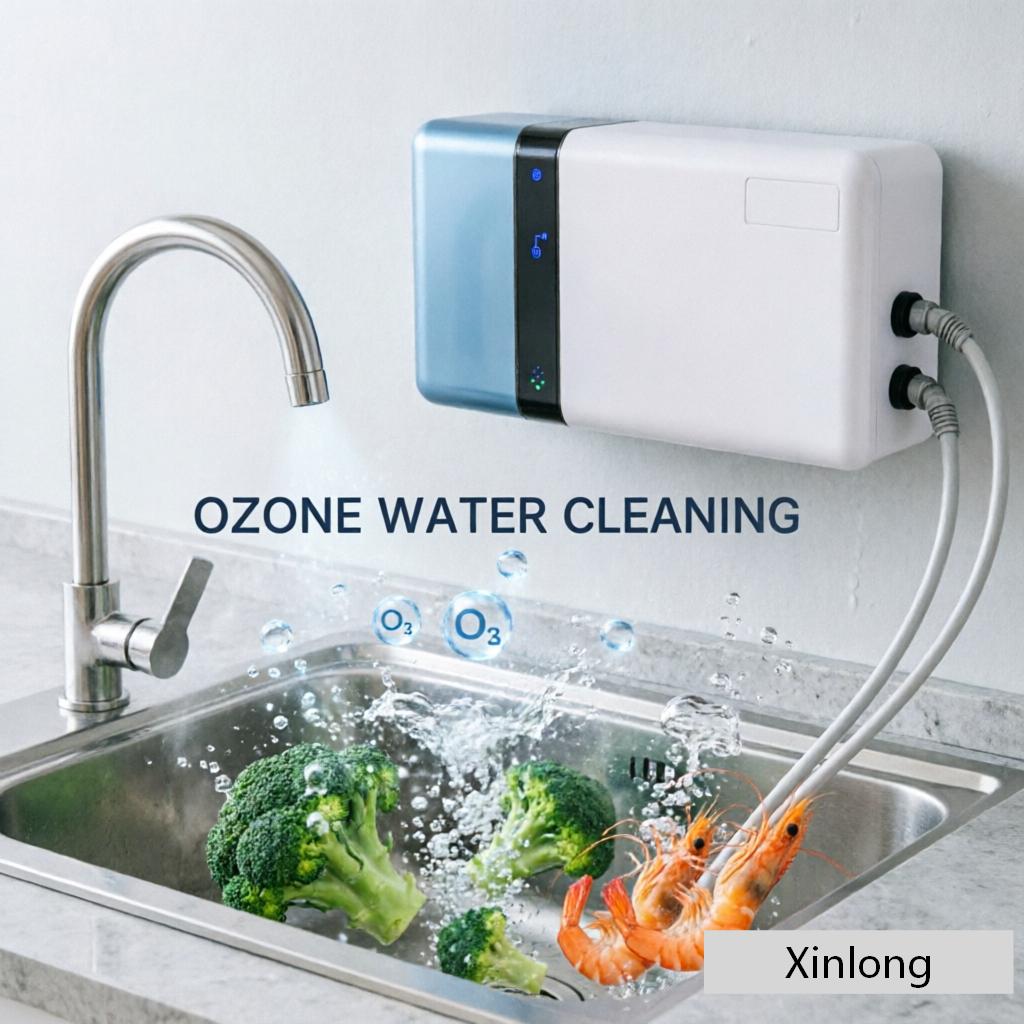
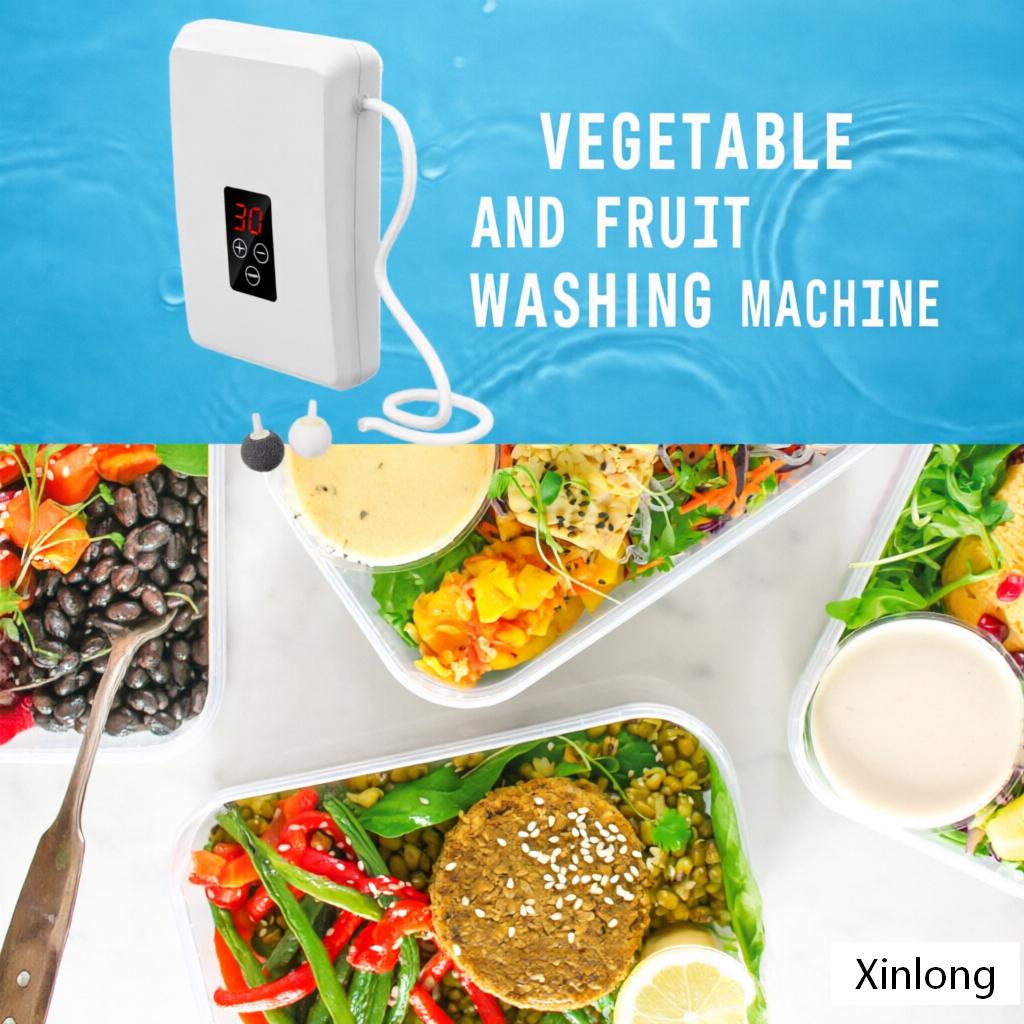
Using ozone water (aqueous ozone) for fruit and vegetable washing is a proven, chemical-free sanitizing method that extends produce shelf life and significantly improves food safety.
What Is Aqueous Ozone (Ozone Water)?
Aqueous ozone is created by dissolving ozone gas O3 into regular water. Ozone is a naturally occurring triatomic form of oxygen that acts as a powerful, broad-spectrum oxidizing agent.
When applied to food surfaces, aqueous ozone reacts instantly with microbial cell walls and organic chemical bonds, breaking them down through oxidation.
O3 + \text{Organic Contaminants} \longrightarrow \text{Oxidized Byproducts} + O2
Unlike chlorine bleach or quaternary ammonium chemical washes, ozone reverts directly back into pure dissolved oxygen ($\text{O}_2$) after performing its sanitizing action, leaving zero chemical residues, odors, or flavor alterations on your food.
Key Benefits of Washing Salad Greens with Ozone Water
1. Superior Pathogen Disinfection
Aqueous ozone neutralizes bacteria, mold spores, viruses, and fungi up to 3,000 times faster than chlorine. It effectively inactivates common foodborne pathogens, including:
- Escherichia coli (E. coli)
- Listeria monocytogenes
- Salmonella enterica
2. Breakdown of Pesticide Residues
Many modern pesticides are oil-based or formulated to withstand rain, making them difficult to remove with standard tap water. The oxidation potential of ozone breaks the molecular bonds of complex pesticide compounds, rendering them harmless and easily rinsable.
3. Extended Produce Shelf Life
By eliminating spoilage-causing bacteria, yeasts, and molds on the leaf surfaces, ozone water slows down the natural decay process. Leafy greens retain their crisp texture, vibrant color, and moisture for up to twice as long in refrigeration.
4. 100% Organic and Chemical-Free
Ozone leaves no chemical rinse water or toxic disinfection byproducts (DBPs) like trihalomethanes (THMs). It is recognized as safe for organic food processing by global regulatory bodies, including the US FDA and USDA.
Step-by-Step Guide: Sanitizing Salad Veggies with an Ozone Water Machine
   [ Step 1: Pre-Rinse ]
            │
            ▼
   [ Step 2: Generate Ozone Water ]
            │
            ▼
   [ Step 3: Soak & Agitate (2–3 mins) ]
            │
            ▼
   [ Step 4: Spin Dry & Store ]
Step 1: Pre-Rinse
Briefly rinse greens under tap water to wash off heavy debris, soil particles, or grit.
Step 2: Prepare Fresh Ozone Water
Fill a clean basin or sink with cool tap water and run your home ozone water generator according to the manufacturer’s dissolved ozone concentration guidelines (typically between 0.5 to 2.0 ppm for produce washing).
Step 3: Soak and Gently Agitate
Submerge your salad greens, spinach, or chopped vegetables completely in the ozonated water. Allow them to soak for 2 to 3 minutes. Gently agitate the leaves to ensure full surface contact with the water.
Step 4: Spin Dry and Store
Remove the greens from the basin—no secondary fresh-water rinse is required. Run them through a salad spinner to remove excess moisture, then store them in a dry, airtight container in the refrigerator.
Aqueous Ozone vs. Chemical Sanitizers
| Feature | Tap Water | Chlorine Wash | Aqueous Ozone (O3) |
| Pathogen Elimination | Low (Mechanical only) | Moderate | Very High |
| Pesticide Removal | Low | Low to Moderate | High (Oxidative degradation) |
| Chemical Residue | None | Yes (Chlorine smell/taste) | Zero (Reverts to $\text{O}_2$) |
| Consumable Refills | None | Requires Chemical Buying | Water & Electricity Only |
| Impact on Shelf Life | Minimal | Moderate | Maximum Extension |
Upgrade Your Kitchen's Food Safety with Home Ozone Solutions
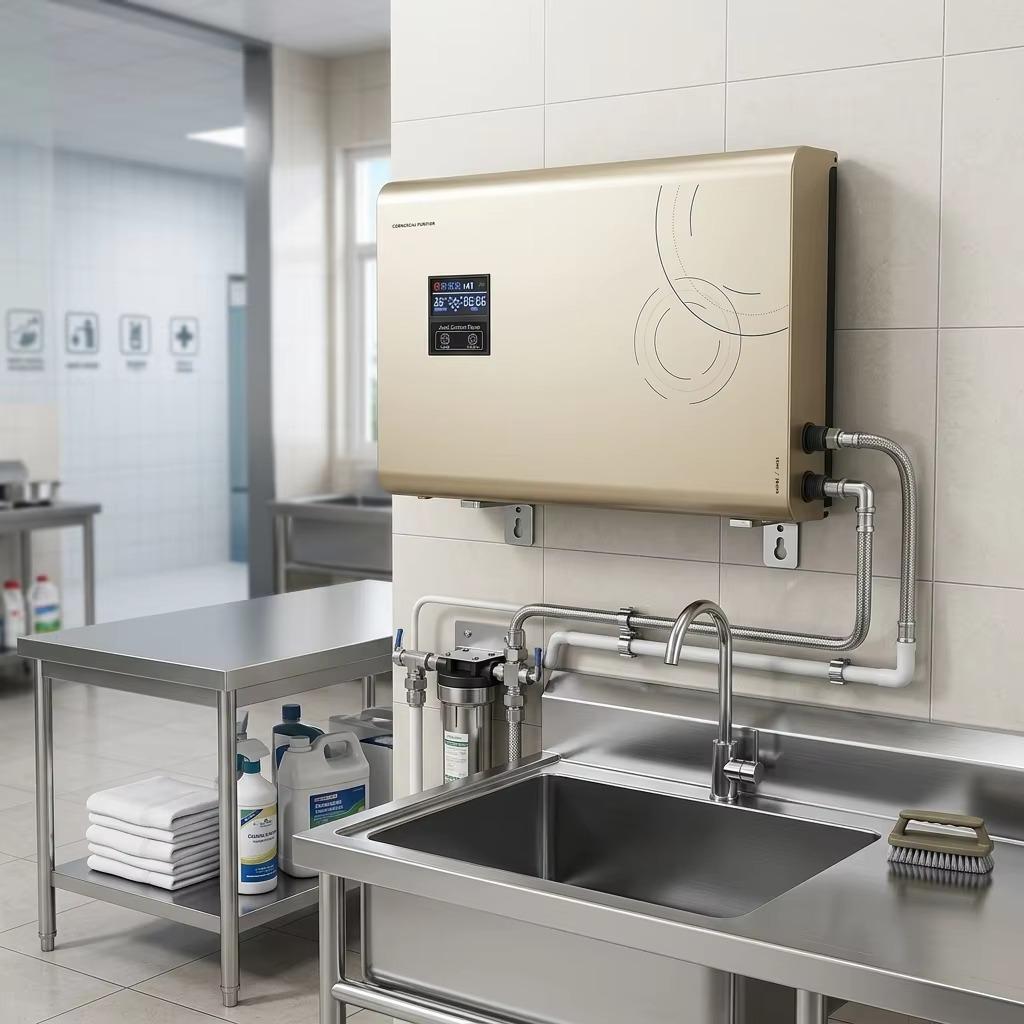
Integrating an aqueous ozone generator into your kitchen workflow provides commercial-grade food protection without the ongoing cost of chemical washes.
Whether you are a health-conscious homeowner, a meal prep enthusiast, or a commercial kitchen operator, residential and commercial ozone water generators offer a sustainable, effective, and economical path to clean eating.
Frequently Asked Questions
Does ozone water change the taste or texture of leafy greens?
No. Aqueous ozone does not affect the color, flavor, texture, or nutritional profile of fresh vegetables. Because ozone reverts to standard oxygen within minutes, it leaves no chemical taste behind.
Is ozone water safe to use on delicate produce like berries?
Yes. Washing delicate produce like strawberries, raspberries, and lettuce in ozonated water helps prevent mold growth (such as Botrytis cinerea) without damaging the fruit's skin or structure.
How long does ozone stay active in water?
Dissolved ozone has a half-life of approximately 15 to 20 minutes at room temperature before converting back into oxygen. For maximum sanitizing efficiency, use freshly generated ozone water immediately.
Related Posts