




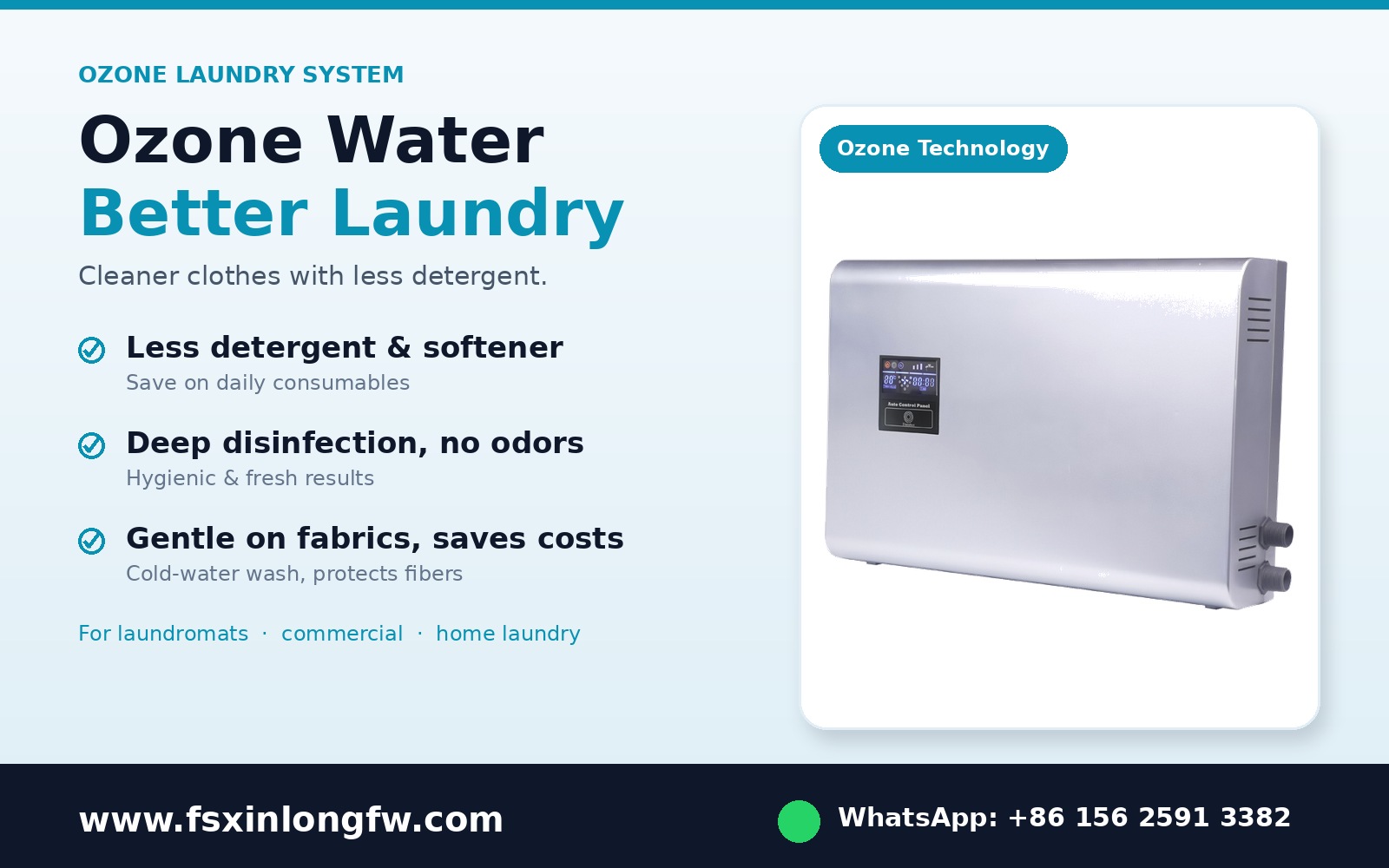
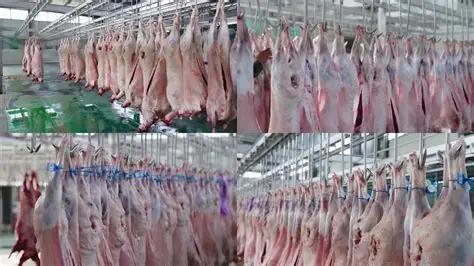
Ozone Solutions for Meat Processing Plants & Slaughterhouses: Effective Odor Control & Wastewater Treatment
Industrial Ozone Generators for Abattoirs: Eliminate Odors & Reduce Wastewater COD/BOD
Managing a slaughterhouse or meat processing facility comes with two relentless challenges: overwhelming ambient odors and heavily contaminated wastewater.
Offensive gases like hydrogen sulfide (H2S) and ammonia (NH3) create strict regulatory pressures and strain community relations. Simultaneously, abattoir wastewater—loaded with blood, fats, proteins, and high microbial loads—requires intense treatment to meet stringent discharge standards for COD, BOD, and total suspended solids (TSS).
Traditional chemical treatments (like chlorine dosing, bio-filters, or costly sludge hauling) often fall short or introduce high recurring chemical bills and hazardous residues.
This is where industrial ozone technology steps in. As a naturally reactive, eco-friendly oxidant, ozone (O3) provides a dual-action solution: rapidly neutralizing atmospheric gas molecules while thoroughly sterilizing high-strength organic wastewater on-site.
Why Meat Processing Facilities Need a Better Solution
The rendering, offal management, lairage, and preliminary wastewater holding areas in an abattoir emit volatile organic compounds (VOCs), amines, mercaptans, and inorganic gases.
[ Off-Gas / Wastewater Source ]
           │
           ├── Lairage & Offal Area  ──> Ammonia (NH3), Mercaptans, Amines
           └── Blood & Fat Washdown  ──> High BOD/COD, Pathogens (E. coli, Salmonella)
In traditional plant management, operators face critical pain points:
- High Chemical Dependency: Chemical scrubbers consume massive amounts of hypochlorite or caustic solutions, requiring hazardous storage and frequent supply restocking.
- Persistent Pathogens: Wastewater rich in organic blood and fat creates ideal breeding grounds for E. coli, Salmonella, and Listeria, which chlorine alone struggles to eliminate without forming toxic chloramines and trihalomethanes (THMs).
- Secondary Pollution & Sludge Volume: Chemical coagulation generates bulky sludge volumes that drastically increase hauling and disposal fees.
By integrating a targeted meat processing plant ozone generator, operations can eliminate gaseous odor compounds and oxidize dissolved organics without leaving harmful chemical residues behind.
Application 1: Slaughterhouse Odor Control with Ozone Gas
Odor in meat processing facilities isn't just an unpleasant distraction—it is a compliance threat that can result in hefty municipal fines or operational shutdowns.
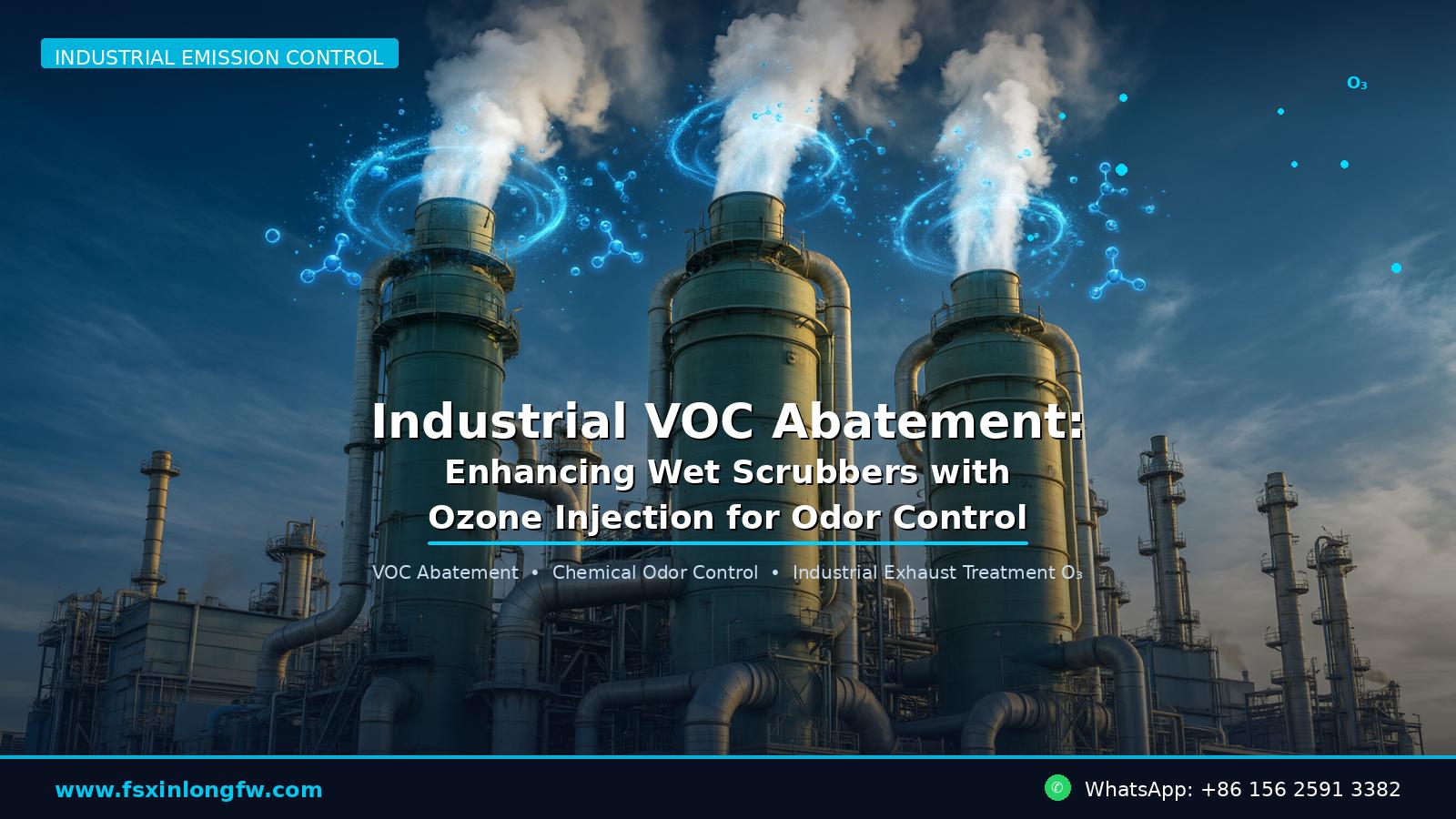
       O3 (Ozone) + H2S / NH3 / VOCs ──> Water + Oxygen + Non-Toxic Oxides
                                         (Instant Oxidation within Seconds)
How Ozone Gas Eliminates Off-Gases
Unlike bio-scrubbers or maskants that merely disguise foul smells, ozone destroys odor-causing molecules at a molecular level via gas-phase oxidation:
- Hydrogen Sulfide Oxidation: H2S+O3→SO2+H2O
- Ammonia Breakdown: 2NH3+3O3→N2+3H2O+3O2
Key Installation Zones:
- Offal & Rendering Processing Rooms: Continuous micro-dosing of ozone gas through HVAC exhaust ducts neutralizes VOCs before air leaves the stack.
- Lairage & Holding Pen Ventilation: Reduces high ammonia build-up, improving worker air quality and animal welfare standards.
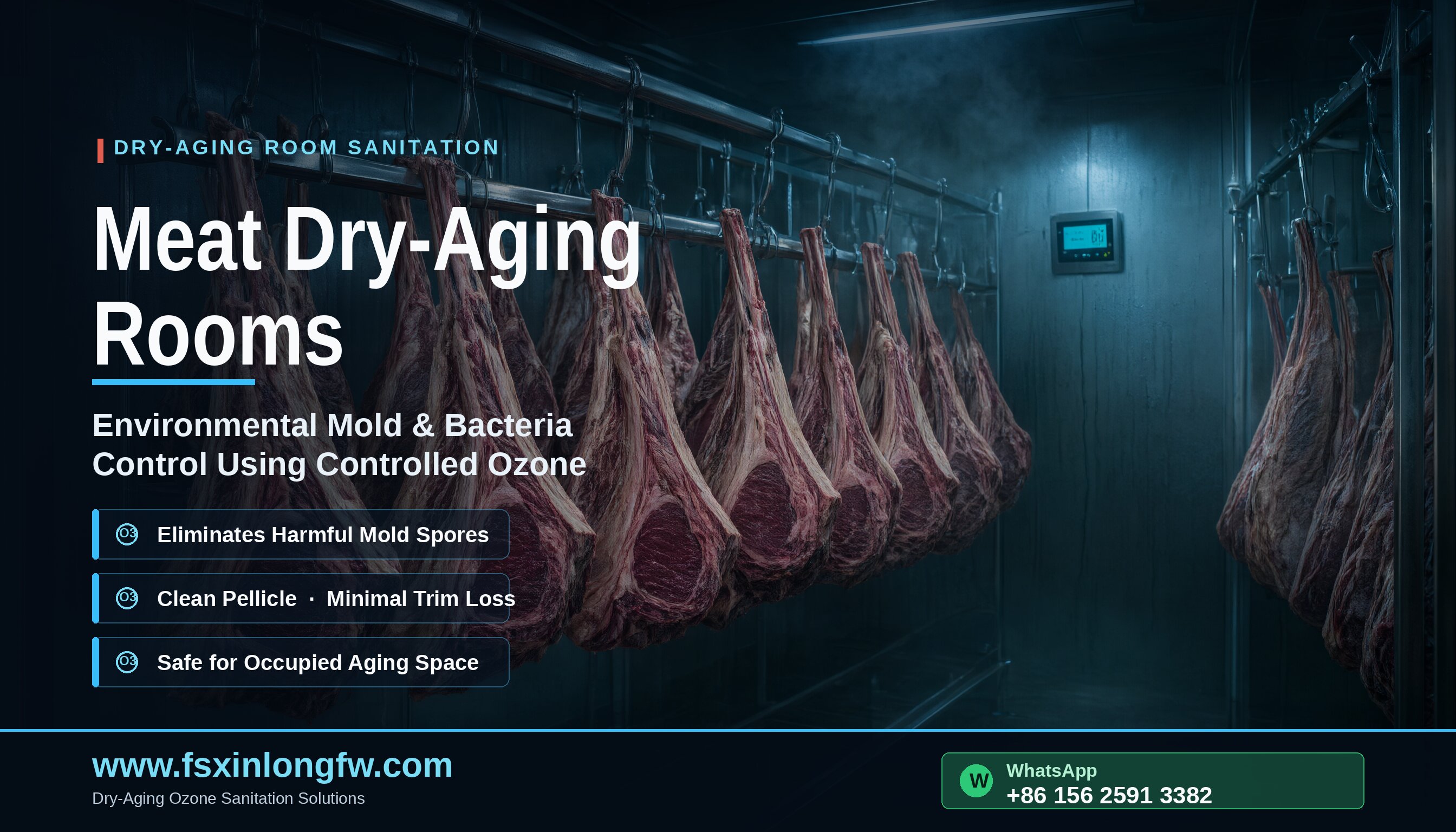
- Cold Storage & Carcass Chilling Rooms: Low ambient concentrations of ozone suppress airborne mold spores and bacteria without affecting meat quality or surface color.
Application 2: Abattoir Wastewater Treatment & COD/BOD Reduction
Abattoir effluent ranks among the most complex industrial waters to treat due to high fat, oil, and grease (FOG), dissolved proteins, and heavy blood content.
[ Raw Effluent ] ──> [ DAF / Solids Removal ] ──> [ Ozone Reaction Tank ] ──> [ Clean Water Discharge ]
                                                         │
                                               (Breaks down organics,
                                                kills bacteria, reduces
                                                COD/BOD & color)
Integrating an abattoir wastewater treatment ozone system into your secondary or tertiary treatment stage offers immediate engineering advantages:
1. Rapid Pathogen Disinfection
Ozone destroys bacterial cell walls on contact. It neutralizes E. coli, Salmonella, and microbial strains up to 3,100 times faster than chlorine, making treated water safe for reuse in non-potable washdowns or compliant sewer discharge.
2. Breakdown of Complex Organics (COD & BOD Reduction)
Ozone acts as an Advanced Oxidation Process (AOP) component. When dissolved in wastewater, ozone degrades long-chain proteins, fats, and stubborn organic matter into smaller, biodegradable molecules, drastically reducing Chemical Oxygen Demand (COD) and Biological Oxygen Demand (BOD).
3. Decolorization and Micro-Flocculation
Blood and organic proteins impart a deep reddish-brown tint to slaughterhouse effluent. Ozone breaks the conjugated double bonds in these pigments, leaving the water clear. Furthermore, ozone promotes micro-flocculation, helping suspended solids settle faster in Dissolved Air Flotation (DAF) units.
Comparing Wastewater & Odor Treatment Technologies
| Parameter / Feature | Chlorine / Chemical Scrubber | Bio-Filters | Industrial Ozone Generator |
| Primary Mechanism | Masking / Chemical Oxidation | Biological Degradation | Direct Molecular Oxidation (AOP) |
| Consumable Reagents | High (Continuous purchasing) | Low (Media replacement needed) | Zero (Generated on-site from oxygen) |
| Residual Hazards | High (Forms THMs & Toxic Sludge) | Low | Zero (Reverts safely back to oxygen) |
| Reaction Speed | Slow (Requires long contact time) | Slow | Ultra-Fast (Seconds to Minutes) |
| Footprint Requirements | Large storage tanks required | Very Large | Compact Modular System |
Engineering Design & Key Operational Factors
Selecting the right industrial ozone machine for a slaughterhouse requires evaluating several operational variables:
- Feed Gas Preparation:Industrial-grade installations require high-purity oxygen generators (93%±3% purity) rather than ambient air feed. Dry, oxygen-fed ozone systems yield higher concentration outputs (100–150 g/m³), essential for heavy COD water loads and dense gas oxidation.
- Gas-Liquid Mixing Efficiency:For wastewater sterilization, proper gas transfer is vital. Utilizing Venturi injectors paired with gas-liquid mixing pumps or microporous titanium diffusers ensures gas absorption rates above 90–95%.
- Off-Gas Destruction:Any unreacted ozone in water treatment off-gas should pass through a thermal or catalytic ozone destruct unit to maintain safe plant ambient limits (<0.1 ppm).
Upgrade Your Facility's Environmental Performance
Whether you are looking to eliminate neighborhood odor complaints, upgrade your existing wastewater treatment plant (WWTP), or reduce chemical costs in your rendering facility, our industrial ozone engineering team is here to support you.
We specialize in designing and manufacturing heavy-duty, continuous-duty industrial ozone generators tailored to the harsh operating conditions of meat processing plants worldwide.
Request a Customized Ozone System Design & Quote
- Custom Sizing & System Calculations: Send us your wastewater flow rates (m³/h), current COD/BOD levels, or duct air CFM.
- Turnkey Equipment Support: From PSA oxygen units to contact tanks and ozone destruction systems.
👉 [Contact Our Ozone Application Engineers Today]
👉 [Explore Our Heavy-Duty Industrial Ozone Generator Lineup]
----------------------------------------------------------------------------------------------------------
Planning a slaughterhouse wastewater upgrade or suffering from emission compliance issues? Send us your flow rate (m³/h) and targeted COD level for a free technical proposal.
Tags:
Related Posts