




Cleanroom Ozone Disinfection: Integrating Industrial Ozone Generators into Pharmaceutical HVAC Systems for GMP Compliance
Cleanroom Ozone Disinfection: Integrating Industrial Ozone Generators into Pharmaceutical HVAC Systems for GMP Compliance
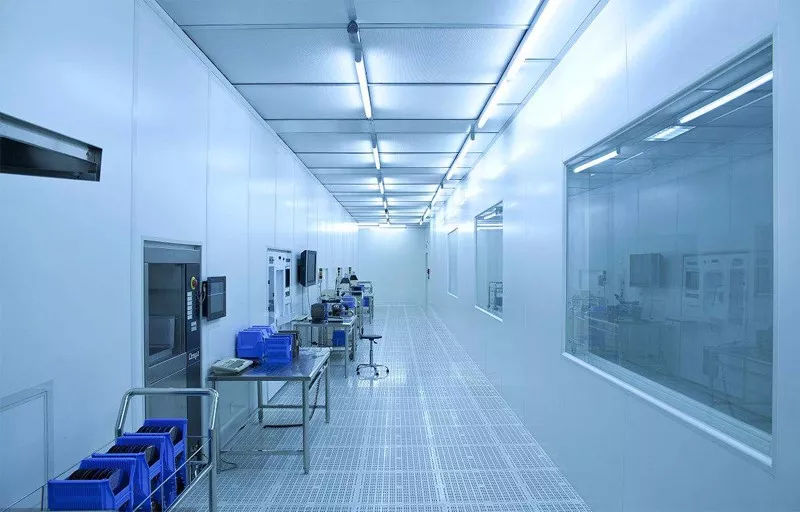
For pharmaceutical manufacturing facilities, maintaining an aseptic environment is not just a regulatory requirement—it is the core of product safety. Cleanrooms and controlled environments demand rigorous, validated disinfection protocols to prevent cross-contamination and ensure compliance with strict Good Manufacturing Practice (GMP) standards.
Traditional sterilization methods, such as manual wiping with chemical disinfectants or vaporized hydrogen peroxide (VHP), are often labor-intensive, leave chemical residues, and struggle to penetrate complex HVAC ductwork.
This is where cleanroom ozone disinfection integrated directly into pharmaceutical HVAC systems offers a superior, automated, and residue-free solution. In this engineering guide, we explore how to seamlessly incorporate GMP compliant ozone generators into your facility's ventilation infrastructure to maximize sterility and streamline validation.
Why Pharmaceutical Cleanrooms Require HVAC-Integrated Ozone Sterilization
Pharmaceutical HVAC systems circulate air through critical zones, including Grade A, B, C, and D cleanrooms. However, these same duct networks and air handling units (AHUs) can become breeding grounds for microorganisms if not systematically sterilized.
Integrating an industrial ozone generator for HVAC applications provides several critical advantages over conventional methods:
- 360-Degree Total Spatial Coverage: Gaseous ozone naturally diffuses to every corner of the cleanroom, penetrating hard-to-reach areas, equipment crevices, and the internal surfaces of HVAC ducts that manual cleaning misses.
- Zero Chemical Residues: Unlike liquid disinfectants or chlorine-based agents, ozone (O3) rapidly reverts back to standard oxygen (O2) after a designated contact and decay time, leaving zero toxic byproducts or moisture residue.
- Automated Cycle Control: Modern HVAC-tied ozone systems can be fully automated via PLC controls, running scheduled cycles during non-production hours (e.g., overnight) without requiring constant manual labor.
- Lower Operational Costs Over Time: While the initial setup requires engineering integration, ozone is generated on-site from ambient air or oxygen, eliminating the recurring logistical costs of purchasing, storing, and disposing of chemical disinfectants.
Engineering Architecture: How to Integrate Ozone into Pharmaceutical HVAC
Successfully implementing HVAC ozone sterilization in pharmaceutical facilities requires a carefully engineered setup to protect sensitive equipment, ensure safety, and comply with validation protocols.
1. System Placement and Injection Point
The industrial ozone generator is typically installed in a dedicated technical room adjacent to the Air Handling Unit (AHU). Ozone gas is injected directly into the supply air duct downstream of the final HEPA filtration stage (or upstream, depending on the material compatibility of the filter media) or circulated via a closed-loop duct bypass during the sterilization cycle.
2. Materials Compatibility
Pharmaceutical-grade cleanrooms utilize high-purity materials. When designing an ozone integration system, ensure that all wetted parts—including piping, valves, gaskets, and AHU components—utilize ozone-resistant materials such as:
- Stainless Steel for duct connections and frames.
- PTFE (Teflon), PVDF, or Viton for seals and tubing.
- Avoid standard carbon steel, copper, or natural rubber, which degrade rapidly in high-ozone environments.
3. Concentration and Exposure Time (CT Value)
For effective microbial inactivation (targeting bacterial spores, fungi, and viruses), the system must achieve a precise concentration-time (CT) threshold. Typical pharmaceutical protocols require:
- Ozone concentrations ranging from 20 to 50 ppm during the active phase.
- Total cycle times (generation + dwell + catalytic destruction) designed to fit within a standard 4-to-6-hour off-shift window.
Meeting GMP Compliance and Validation Requirements
Regulatory bodies such as the FDA, EMA, and WHO enforce strict validation guidelines for any sterilization process used in aseptic manufacturing. To ensure your ozone system passes regulatory audits, your deployment should include:
- Documentation: Complete Installation Qualification, Operational Qualification, and Performance Qualification protocols provided by your equipment manufacturer.
- Real-Time Sensor Monitoring: Integration of high-range ozone sensors inside the cleanroom and low-range safety sensors (TLV monitors) in adjacent corridors to protect operators.
- Automatic Destruction Units: Equipping the HVAC return or exhaust line with an ozone destructor (thermal-catalytic unit) to safely and rapidly convert residual ozone back into oxygen before any air is exhausted or recirculated.
Technical Specifications to Look for in a GMP-Compliant Ozone Generator
When sourcing an industrial ozone generator for pharmaceutical cleanrooms, standard commercial units will not suffice. Look for equipment designed specifically for industrial and pharmaceutical applications:
- High-Purity Quartz Dielectric Discharge: Ensures stable ozone output and prevents nitrogen byproduct formation when paired with an integrated oxygen concentrator.
- PLC Touchscreen Control: Allows custom programming of cycle times, interlocking with HVAC dampers, emergency stop systems, and safety door interlocks.
- Modular Scalability: Tailored gas output (ranging from 50g/h to over 500g/h) based on the total cubic volume (m^3) of your cleanroom suite.
Upgrade Your Cleanroom Sterilization Today
Integrating ozone into your pharmaceutical HVAC system reduces contamination risks, lowers long-term operational costs, and ensures effortless compliance with stringent GMP standards.
Whether you are designing a new aseptic suite or retrofitting an existing manufacturing facility, our engineering team can help you configure the right industrial ozone solution.
Ready to upgrade your pharmaceutical cleanroom sterilization?
Explore Our Industrial Ozone Generators & HVAC Systems
Contact Our Cleanroom Engineering Team Today to Request a Custom Proposal
Tags:
Related Posts