




Biosecurity & Odor Reduction in Livestock Farms: Implementing Industrial Ozone Disinfection in Poultry and Swine Barns
Biosecurity & Odor Reduction in Livestock Farms: Implementing Industrial Ozone Disinfection in Poultry and Swine Barns
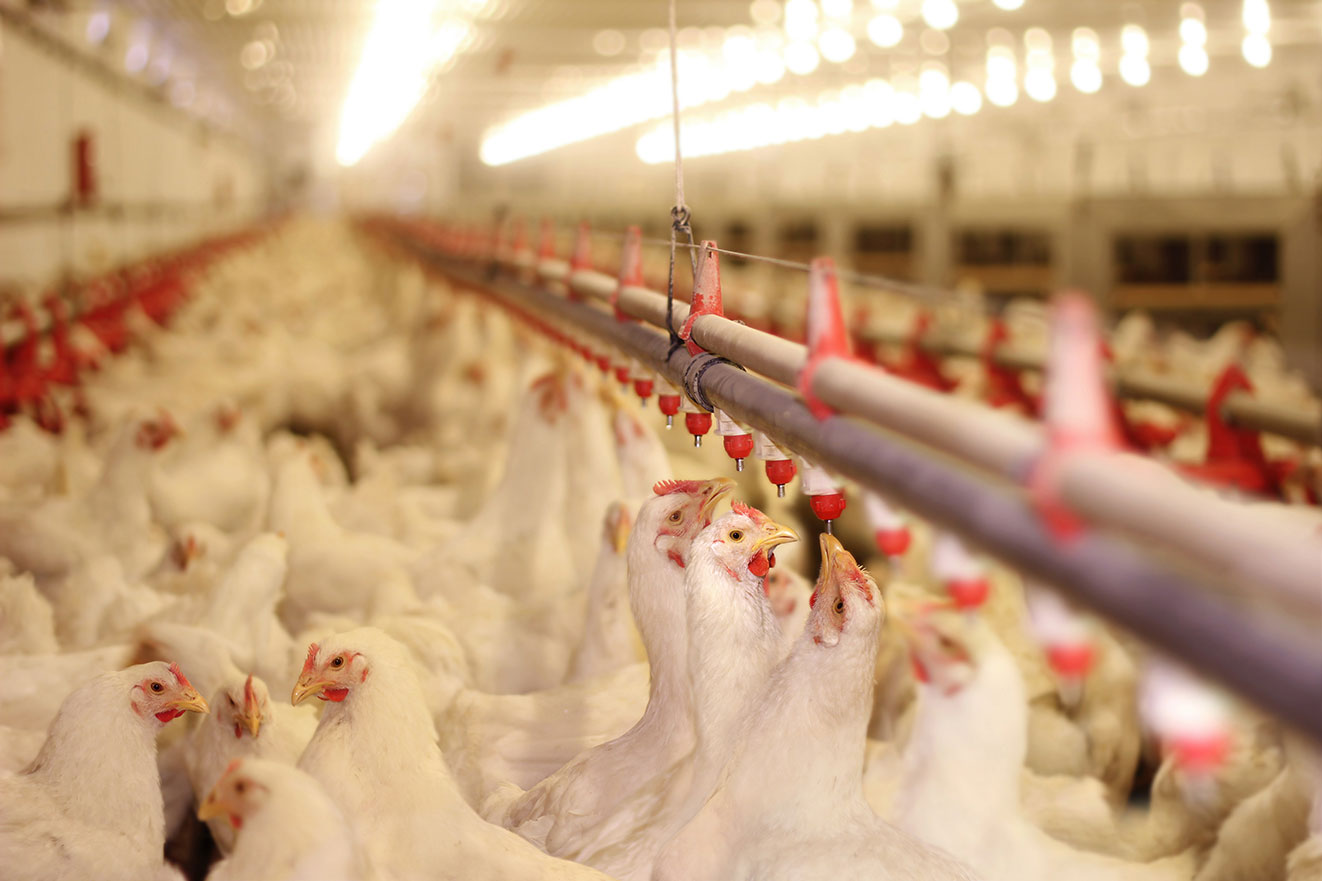
Intensive livestock farming faces two unrelenting operational battles: pathogen containment and air quality management. High-density poultry coops and swine barns create severe biosecurity vulnerabilities where viruses like Avian Influenza (AI) and African Swine Fever (ASF) can cause catastrophic herd loss. Simultaneously, accumulated ammonia (NH3), hydrogen sulfide (H2S), and bio-aerosols compromise animal respiratory health, lower feed conversion ratios, and trigger regulatory complaints from surrounding communities.
Traditional chemical disinfectants (such as formaldehyde or chlorine-based sprays) often fall short in continuous air treatment—they present health hazards to farm workers, leave toxic chemical residues, and require costly continuous chemical procurement.
Implementing a customized livestock biosecurity ozone system offers a clean, highly efficient, and automated alternative. As a naturally occurring oxidizing gas, ozone (O3) rapidly neutralizes airborne pathogens, destroys organic odor compounds at the molecular level, and breaks down into clean oxygen (O2) without residue.
In this guide, we break down how industrial ozone technology works in swine and poultry operations, how it solves stubborn odor issues, and best practices for integrating ozone systems into your farm’s biosecurity protocol.
1. Why Ozone? The Chemical Superiority of O3 in Livestock Environments
Ozone is a triatomic oxygen molecule (O3) recognized as one of the most powerful commercially available oxidizing agents. With an oxidation potential of 2.07V, it reacts significantly faster than chlorine, hydrogen peroxide, or quaternary ammonium compounds.
       [ Cold Plasma / Corona Discharge ]
 Oxygen (O₂)  ---------------------------->  Ozone (O₃)
                                                 │
                                                 ▼ (Attacks Cell Membranes & Odor Molecules)
 Clean Oxygen (O₂)  <---------------------------- (Decomposes rapidly leaving NO toxic residue)
When introduced into barn space or entry points, ozone operates through two direct mechanisms:
- Pathogen Inactivation (Biosecurity): Ozone penetrates cell walls and viral capsids, oxidizing protein structures and nucleic acids (DNA/RNA). Because it acts via direct physical oxidation rather than biological disruption, microorganisms cannot develop resistance to ozone.
- Molecular Odor Destruction (Deodorization): Rather than masking odor compounds with artificial fragrances, ozone breaks down organic volatile compounds (VOCs). For instance, it breaks down ammonia into nitrogen gas (N2) and water (H2O), eliminating the root cause of noxious barn odors.
2. Key Applications of Ozone in Poultry and Swine Facilities
Integrating an industrial ozone generator for livestock requires targeted deployment across critical barn zones. Below are the primary application scenarios:
| Application Area | Primary Objective | Deployment Method | Key Benefits |
| Swine Barn Air Treatment | Neutralize ammonia (NH3), H2S, and organic dust | In-duct ozone injection or overhead gas distribution | Improves piglet respiratory health, reduces lung lesions, lowers barn odors |
| Poultry Coop Disinfection | Eradicate airborne viruses, Salmonella, and Aspergillus | Low-concentration continuous dosage / High-concentration batch treatment | Decreases chick mortality, controls damp litter microbial growth |
| Entry Vehicle & Boot Wash | Vehicle biosecurity barrier & personnel sanitization | High-concentration ozonated water (1.5-3.0ppm) spray bays | Replaces harsh chemicals, instantaneous broad-spectrum kill upon contact |
| Empty Barn Turnover (Break Period) | Complete surface & air terminal disinfection | Shock-dosing high-concentration gaseous ozone (>10ppm) | Shortens barn turnaround time between batches, eliminates residual spore counts |
3. Controlling Pig Farm Odor: Solving Ammonia & VOC Challenges
Excessive ammonia in hog facilities directly impairs animal growth rates and increases veterinary expenses. Ammonia concentrations above 25 ppm cause inflammation of pigs' upper respiratory tracts, making them highly susceptible to secondary bacterial infections like Mycoplasma hyopneumoniae.
Using an engineered pig farm odor control ozone system allows facility managers to maintain low background levels of gaseous ozone (0.02-0.05ppm) within occupied spaces (strictly calibrated below localized safety exposure thresholds).
Real-World Impact:Continuous micro-ozone dosing oxidizes floating particulate matter and airborne manure VOCs before they exhaust through barn ventilation fans. Farms adopting targeted ozone dosing consistently report up to an 80% reduction in exhaust ammonia emissions, significantly reducing neighbor complaints and meeting local environmental compliance standards.
4. Elevating Biosecurity: Ozone for Poultry Farm Disinfection
High-density broiler and layer houses suffer from high bacterial loads due to feathers, litter dust, and animal waste. Airborne transmission of pathogens can devastate thousands of birds within days.
Deploying ozone for poultry farm disinfection offers distinct operational advantages:
- Drinking Water Sanitation: Ozonating farm well water removes iron, manganese, and biofilm from nipple drinker lines without leaving harmful chlorine byproducts that alter water taste.
- Hatching Egg Decontamination: Low-dose gaseous ozone replaces carcinogenic formaldehyde gas for sanitizing hatching eggs prior to incubation, preserving embryo vitality.
- Terminal House Sterilization: During the out-out cycle, after physical manure removal, shock ozonation saturates the entire room volume—including overhead trusses, wall cracks, and ventilation baffles that traditional liquid sprays miss.
5. Designing an Effective Farm Ozone System: Key Considerations
Selecting and sizing the right ozone equipment depends heavily on your farm's physical layout, ventilation airflow (m^3/h), ambient humidity, and target pathogen parameters. Standard off-the-shelf home units are completely ineffective for industrial farming conditions.
When consulting our engineering team, we evaluate the following operational technical metrics:
- Gas Source Generation: High-purity oxygen feed-gas systems produce higher concentration ozone (>100g/m^3) compared to basic dry-air systems, which is critical for humid swine environments.
- Duty Cycle & Heavy-Duty Design: Industrial units require heavy-duty quartz dielectric tubes, corrosion-resistant stainless steel (316L/304), and integrated air drying/chilling components to withstand continuous duty in high-moisture farm environments.
- Automated Ambient Monitoring: Integrated ozone gas detectors automatically regulate output levels to maintain optimal concentration while ensuring worker safety inside occupied spaces.
Transform Your Farm’s Biosecurity & Air Quality Today
Protecting your livestock assets from viral outbreaks while satisfying strict odor regulations requires reliable, commercial-grade technology. Industrial ozone systems deliver immediate operational ROI by lowering mortality rates, reducing chemical expenses, and creating a healthier environment for both animals and farm personnel.
Ready to Optimize Your Facility?
Our engineering specialists design customized industrial ozone disinfection systems tailored to your specific barn dimensions, animal density, and biosecurity protocols.
- 📩 Request a Custom System Quote
- 💬 Speak Directly with an Ozone Application Specialist on WhatsApp
[ 👉 Contact Our Technical Engineering Team Today ]
Tags:
Related Posts