




Understanding ORP in Aquaculture: How to Control Dissolved Ozone Dosage Accurately
Understanding ORP in Aquaculture: How to Control Dissolved Ozone Dosage Accurately
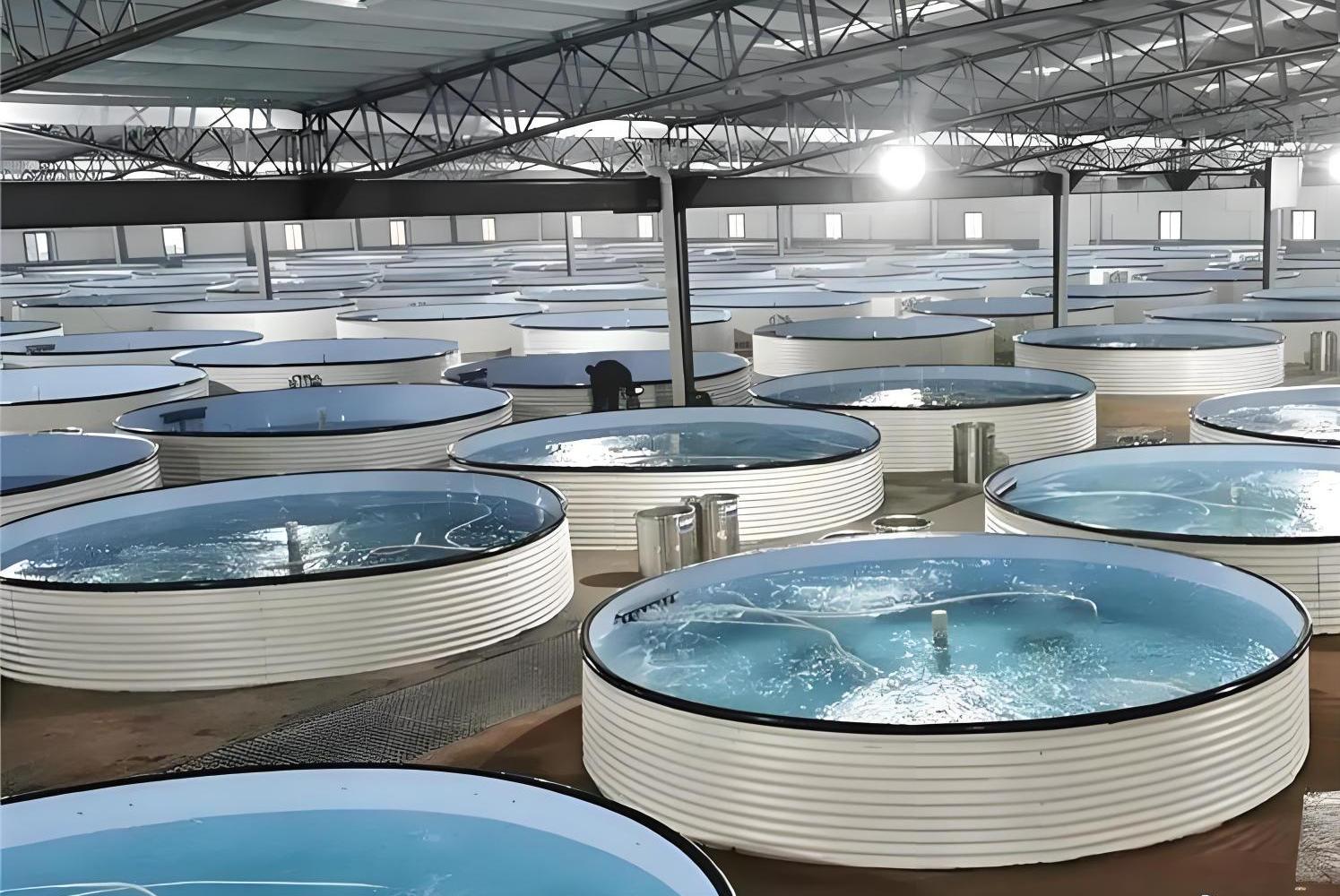
In modern intensive aquaculture and Recirculating Aquaculture Systems (RAS), water quality is the ultimate bottleneck for profitability. High stocking densities accelerate the accumulation of organic waste, ammonia, nitrite, and opportunistic pathogens. While protein skimmers and biofilters do the heavy lifting, ozone (O3) has become the gold standard for advanced water polishing, disinfection, and redox balance.
However, introducing a powerful oxidant like ozone into a live fish culture system requires absolute precision. Too little ozone leaves pathogens and toxic metabolites unchecked; too much ozone creates residual oxidants that damage fish gills and decimate beneficial biofilter bacteria.
This is where ORP (Oxidation-Reduction Potential) comes in.
In this guide, we break down how mastering ORP control for dissolved ozone in aquaculture protects your stock, optimizes system performance, and cuts operating costs.
1. What is ORP and Why Is It Critical in Fish Farming?
Oxidation-Reduction Potential (ORP), measured in millivolts (mV), quantifies the oxidizing or reducing capacity of water. In simple terms, it tells you how clean and biologically active your culture water is.
- Low ORP (<200mV): Indicates high organic loads, reducing conditions, and an environment where harmful bacteria and anaerobic pathogens thrive.
- Optimal ORP (250mV - 350mV): Represents a stable, healthy aquaculture environment where organic waste is actively broken down, and bacterial counts are suppressed without stressing aquatic life.
- High ORP (>400mV): Signals over-ozonation. Residual ozone and reactive oxygen species (ROS) begin to build up, posing severe toxicological risks to fish gills.
By utilizing an automated ozone dosage controller in aquaculture, farm operators can maintain ORP within the safe, high-performance sweet spot around the clock.
2. Determining the Optimal ORP Level for Fish Farming
There is no universal "magic number" for ORP because water chemistry varies by species, salinity, and system design. However, industry benchmarks provide a reliable baseline:
| Aquaculture System Type | Target ORP Range (mV) | Primary Objectives |
| Freshwater RAS (Tilapia, Trout) | 250mV - 300mV | Pathogen suppression, color improvement, organic load reduction |
| Marine RAS (Finfish & Shrimp) | 300mV- 350mV | Higher chloride ion buffer capacity, heavy pathogen control |
| Hatcheries & Larviculture | 280mV - 320mV | Maximum biosecurity, ultra-clean low-pathogen water |
Engineering Tip: When integrating an industrial ozone generator for RAS, always tie the ozone dosing unit to a continuous ORP monitoring probe installed in the post-biofilter contact chamber. Never dose ozone directly into the main fish rearing tank.
3. The Dangers of Uncontrolled Ozone Dosing
Without automated feedback loops, manual ozone dosing is a gamble.
- Under-Dosing: Organic compounds like feces, uneaten feed, and dissolved proteins accumulate, elevating chemical oxygen demand (COD) and predisposing fish to gill disease and bacterial infections.
- Over-Dosing: High residual ozone creates hypochlorous acid (in saltwater systems) and toxic oxidants. Symptoms of ozone toxicity include frayed fins, sluggish behavior, respiratory distress, and high mortality rates in juvenile fish.
4. How to Achieve Precise ORP Control: A 4-Step Framework
To harness the full benefits of ozone without risking your stock, implement a closed-loop control strategy:
Step 1: Deploy High-Precision Sensors
Install industrial-grade platinum ORP probes equipped with automatic temperature compensation (ATC). Clean and calibrate probes bi-weekly to prevent bio-fouling from skewing readings.
Step 2: Implement Automated PID Controllers
Connect your ORP sensors to a programmable controller. Set deadbands and setpoints so that when ORP dips below 270mV, the controller triggers the oxygen-fed industrial ozone generator; once ORP reaches the upper threshold of 320mV, output scales down or shuts off.
Step 3: Optimize Mass Transfer (Contact Chambers)
Ozone is only effective if it dissolves efficiently. Use high-efficiency venturi injectors paired with deep contact reaction towers and ozone destruction units (off-gas catalysts) to ensure safe working conditions.
Step 4: Maintain Consistent Oxygen Feed
Always feed your ozone system with high-purity oxygen (≥90%) rather than ambient air. Oxygen feed significantly boosts ozone concentration output and prevents the formation of corrosive nitrogen sub-products (NOx).
Upgrade Your Aquaculture Facility with Industrial Ozone Solutions
Precision water treatment separates profitable commercial fish farms from high-risk operations. Whether you are designing a new recirculating aquaculture system or retrofitting an existing hatchery, integrating a reliable ozone dosing architecture is essential for long-term biosecurity.
We engineer robust industrial ozone generators, oxygen concentrators, and integrated ORP controllers tailored for heavy-duty aquaculture applications.
- Custom Flow-Rate Engineering: Systems sized accurately for your total water volume and feeding rates.
- Plug-and-Play Control Panels: Built-in PLC automation for seamless ORP and dissolved oxygen (DO) integration.
- Global Technical Support: Direct engineering assistance from design to commissioning.
Ready to upgrade your farm's water quality and protect your stock?
👉 [Contact Our Engineering Team Today] or [Download Our Commercial Ozone Systems Catalog] to discuss your project requirements with our technical specialists.
Tags:
Related Posts