




Formaldehyde Hazards & Effective Removal Methods: A Complete Guide for New Homes
Did you know that indoor air can be 2 to 5 times more polluted than outdoor air? One of the most common and dangerous indoor pollutants is formaldehyde – a colorless, strong-smelling gas that lurks in almost every new home, office, or renovated space.
If you’ve just moved into a newly decorated house or bought new furniture, you’re likely exposed to formaldehyde hazards without even realizing it. In this guide, we’ll walk you through where formaldehyde comes from, its long-term effects on human health, and the most effective formaldehyde removal methods – from ozone decomposition to air purifier filtration and simple ventilation. By the end, you’ll know exactly how to choose the best way to get rid of formaldehyde in your new house.
1. Sources of Formaldehyde in the Home
Understanding the origin of formaldehyde is the first step to eliminating it. Here are the most common sources:
New Decoration & Building Materials
Plywood, particleboard, MDF, adhesives, paints, and varnishes are all major formaldehyde emitters. The glue used in these materials breaks down over time and releases gas into your indoor air.
New Furniture
That “new furniture smell” is often formaldehyde. Pressed-wood products like cabinets, shelves, beds, and sofas are treated with resin-based adhesives containing formaldehyde.
Textiles & Household Items
Wrinkle-resistant curtains, permanent-press sheets, carpet backing, and even some upholstery fabrics are treated with formaldehyde to prevent mildew and improve durability.
Other Hidden Sources
- Some cleaning agents and disinfectants
- Cigarette smoke
- Gas stoves and kerosene heaters (incomplete combustion)
Key takeaway: Even “low-VOC” products can release small amounts. The problem is accumulation – multiple sources in a poorly ventilated new home can raise formaldehyde levels to dangerous highs.
2. Long-Term Hazards of Formaldehyde to the Human Body
Many people think formaldehyde only causes a temporary smell or mild irritation. But the reality is more serious. Long-term effects of formaldehyde include:
Short-Term Exposure (Symptoms)
- Eye, nose, and throat irritation
- Watery eyes, runny nose, coughing
- Skin rashes and allergic reactions
- Headaches, dizziness, nausea
Chronic / Long-Term Exposure
The World Health Organization (WHO) classifies formaldehyde as a Group 1 carcinogen (cancer-causing in humans). Prolonged exposure – even at low levels – has been linked to:
- Respiratory diseases – asthma, bronchitis, and reduced lung function
- Nasopharyngeal cancer and leukemia (with high or occupational exposure)
- Neurological effects – memory issues, sleep disturbances, mood changes
- Reproductive harm – some studies suggest links to miscarriage and fertility problems
Children, the elderly, and people with pre-existing asthma or allergies are most vulnerable. That’s why learning how to remove formaldehyde from home is not a luxury – it’s a health necessity.
3. Common Formaldehyde Removal Methods
There are many ways to tackle formaldehyde. Below we compare the most popular: ozone decomposition, air purifier filtration, ventilation, and a few others.
A. Ventilation (The Natural Way)
Simply opening windows and doors to let fresh air in and contaminated air out.
- How it works: Dilutes indoor formaldehyde concentration with outdoor air.
- Best for: Mild cases, good weather, and as a daily habit.
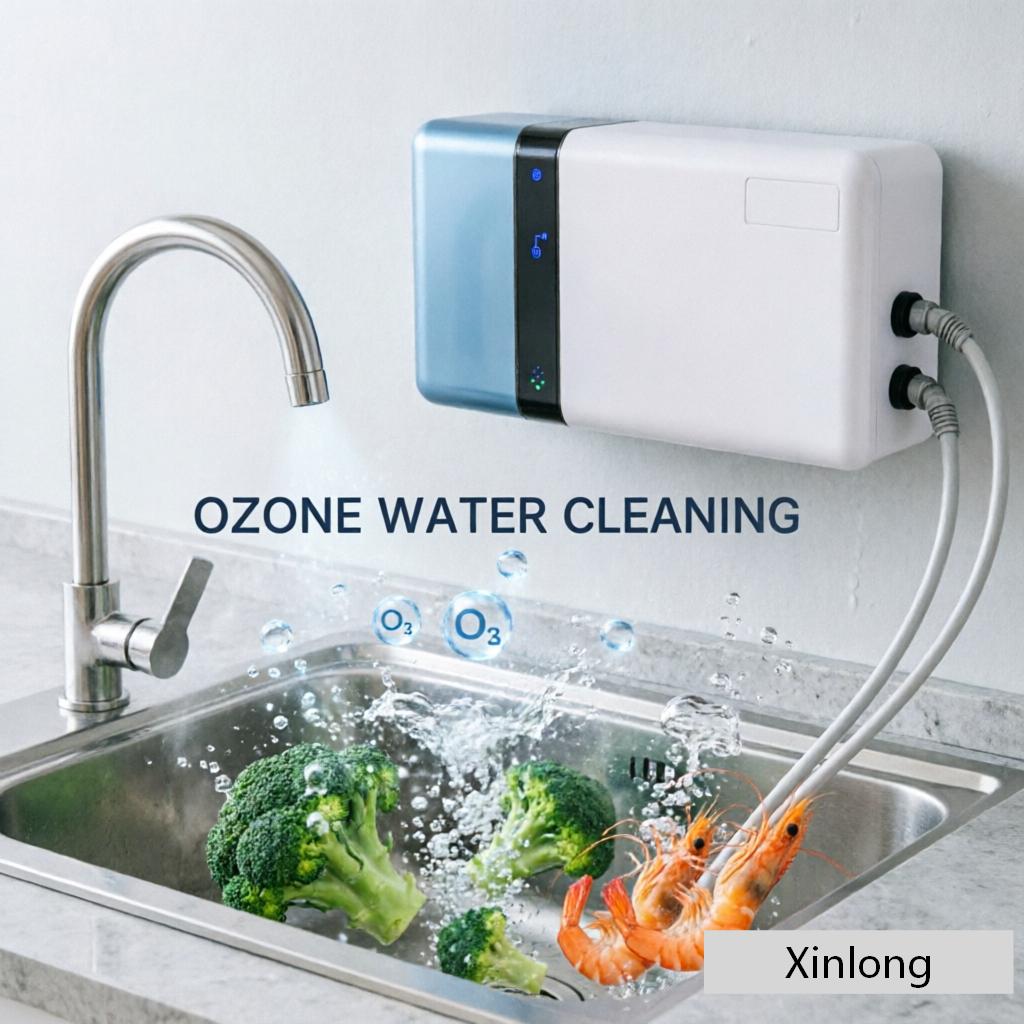
B. Ozone Decomposition
Ozone generators produce O₃, which reacts with formaldehyde and breaks it down into CO₂, water, and harmless substances.
- How it works: High-concentration ozone oxidizes formaldehyde molecules.
- Best for: Unoccupied spaces (because ozone is harmful to breathe).
C. Air Purifier Filtration (Activated Carbon + HEPA)
Air purifiers with activated carbon filters adsorb formaldehyde. Some newer models have special chemical filters (e.g., potassium permanganate) that destroy formaldehyde.
- How it works: Fans pull air through the filter, trapping or breaking down formaldehyde.
- Best for: Continuous, 24/7 removal in occupied rooms.
D. Other Methods
- Houseplants (e.g., spider plant, peace lily) – very low effect, not reliable for high levels.
- Activated carbon bags / gel beads – limited capacity, need frequent replacement.
- Photocatalytic oxidation (PCO) – uses UV light + catalyst; effective but expensive.
4. Advantages & Disadvantages of Each Method
| Method | Advantages | Disadvantages |
|---|---|---|
| Ventilation | Free, no equipment, instantly lowers concentration | Weather-dependent; ineffective at night or in winter; doesn’t remove source |
| Ozone Decomposition | Destroys formaldehyde chemically, not just masks | Ozone is toxic – cannot be used while people/pets present; needs professional control |
| Air Purifier (Carbon/HEPA) | Safe for occupied spaces; continuous removal; also captures dust, pollen, VOCs | Initial cost; filter replacement needed every 3–6 months; must have enough CADR for room size |
| Plants | Natural, aesthetic | Minimal impact (needs hundreds of plants to be effective) |
| Activated carbon bags | Cheap, passive | Saturates quickly (1–2 months); only works in small enclosed spaces |
Verdict: No single method is perfect. The best strategy is combining multiple methods based on your situation.
5. How to Choose the Most Suitable Formaldehyde Removal Solution for Your New House
Every home is different. Here’s a step-by-step decision guide:
Step 1 – Measure First
Use a formaldehyde detector (electrochemical sensor type, not cheap color chips) to get baseline levels.
- Safe level: ≤ 0.08 ppm (WHO guideline)
- Action level: > 0.10 ppm
Step 2 – Match Method to Your Scenario
| Scenario | Recommended Solution |
|---|---|
| New house, high levels (>0.20 ppm), unoccupied | Professional ozone treatment (2–3 sessions) + daily ventilation for 2 weeks |
| New house, moderate levels (0.10–0.20 ppm), moving in soon | Air purifier with formaldehyde-specific carbon filter (run 24/7) + cross-ventilation + keep temperature high to accelerate off-gassing before move-in |
| Already living in the house, low levels (<0.10 ppm) but sensitive | Continuous ventilation + air purifier in bedroom/living room |
| Source is new furniture (e.g., a single cabinet) | Seal edges with low-VOC sealant + place activated carbon bags inside drawers + ventilate room |
Step 3 – Combine Methods for Best Results
A realistic, effective protocol for most new homes:
- Pre-occupancy: Ozone treatment (hire a professional) + heat + ventilation for 2–4 weeks.
- After move-in:
Keep windows open as much as possible (especially during cleaning and cooking).
Buy an air purifier with a thick activated carbon filter (look for “formaldehyde removal” spec, not just HEPA).
Avoid buying too many pressed-wood products at once.
Use an exhaust fan when using cleaning products.
Step 4 – Avoid Common Myths
- ❌ Candles, essential oils, or vinegar do not remove formaldehyde – they only mask the smell.
- ❌ One small plant won’t help.
- ✅ Time + ventilation is the ultimate solution. Formaldehyde off-gassing decreases sharply after the first 6–12 months.
Formaldehyde hazards are real, but they are manageable. The best way to get rid of formaldehyde in a new house is a multi-layered approach: ventilate aggressively, use an air purifier with activated carbon, and consider ozone decomposition before moving in.
Remember: Your health is worth the investment. By understanding the sources and taking targeted action, you can turn your new house into a safe, healthy home – free from hidden chemical threats.
Need a reliable air purifier or ozone generator? Check our product recommendations.
Related Posts