




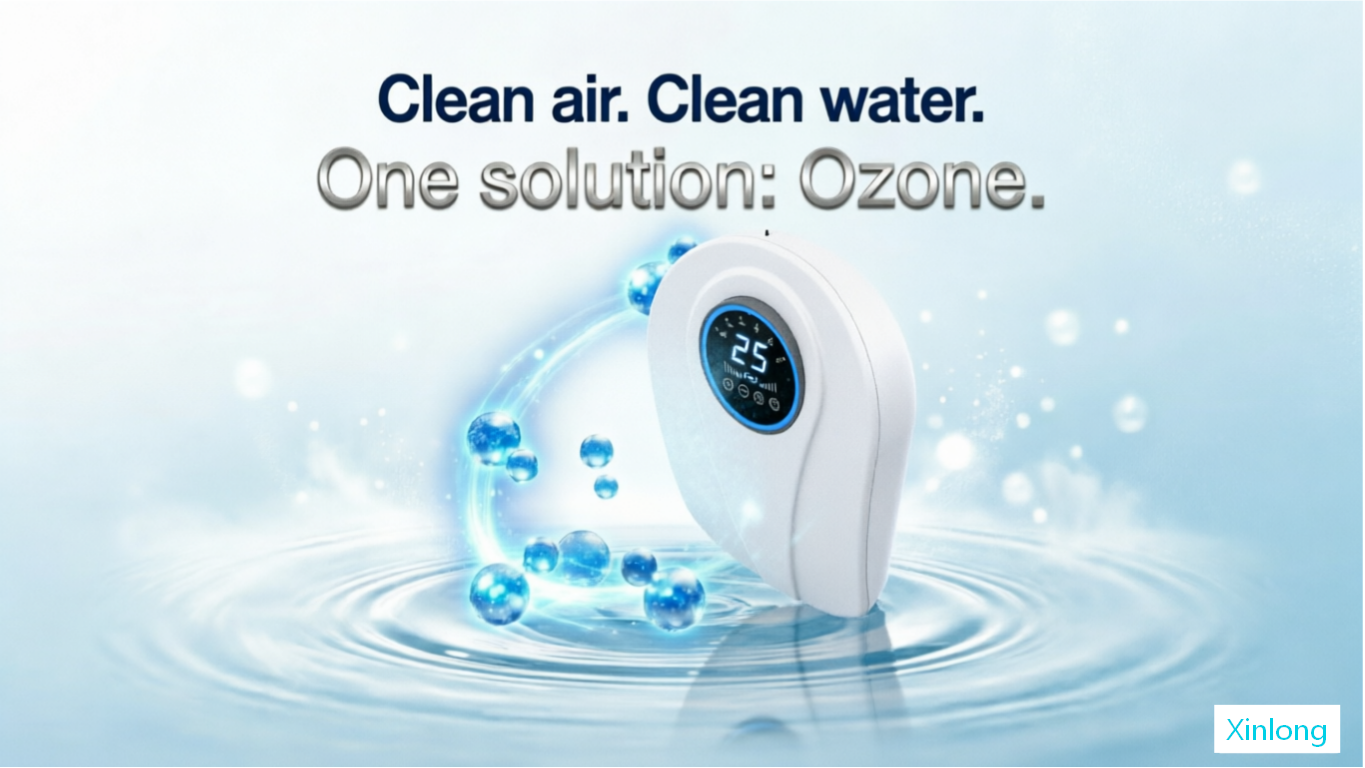
How to Use Ozone for Air & Water Purification at Home – A Complete Guide
Introduction
Indoor air quality and clean water are more important than ever. While many people turn to chemical cleaners or UV filters, ozone (O₃) offers a powerful, natural alternative for home purification. Ozone is a highly reactive molecule that neutralizes contaminants without leaving harmful residues.
In this guide, you’ll learn how to safely and effectively use ozone for both air purification and water treatment at home – from cleaning the air you breathe to sanitizing your food and dishes.
Part 1: Ozone for Air Purification – Breathe Cleaner Air
Ozone generators are increasingly used in homes to tackle airborne pollutants. When released in controlled, safe amounts, ozone can:
- Destroy viruses and bacteria – Ozone breaks down cell walls of pathogens, rendering them inactive.
- Eliminate mold and mildew – It reaches places where bleach cannot, killing mold spores and preventing regrowth.
- Remove fungi and parasites – Helps reduce allergens and airborne parasites.
- Neutralize odors – Ozone oxidizes odor-causing molecules from smoke, pets, cooking, and musty basements.
How to Use Ozone for Air Purification (Step by Step)
- Choose the right ozone generator – For a typical room, a unit producing 200–400 mg/h is sufficient.
- Prepare the room – Remove people, pets, plants, and sensitive materials (rubber, artwork).
- Set the timer – Run the generator for 15–30 minutes per average-sized room.
- Ventilate after treatment – Wait at least 30 minutes after the cycle ends, then open windows to air out any residual ozone.
- Use occasionally, not continuously – Ozone treatment is best for deep cleaning (e.g., weekly or after parties/sickness).
⚠️ Safety note: Ozone is harmful to breathe at high concentrations. Never stay in the room while the generator is running. Always follow the manufacturer’s instructions.
Part 2: Ozone for Water Treatment – Cleaner Food, Safer Drinking Water
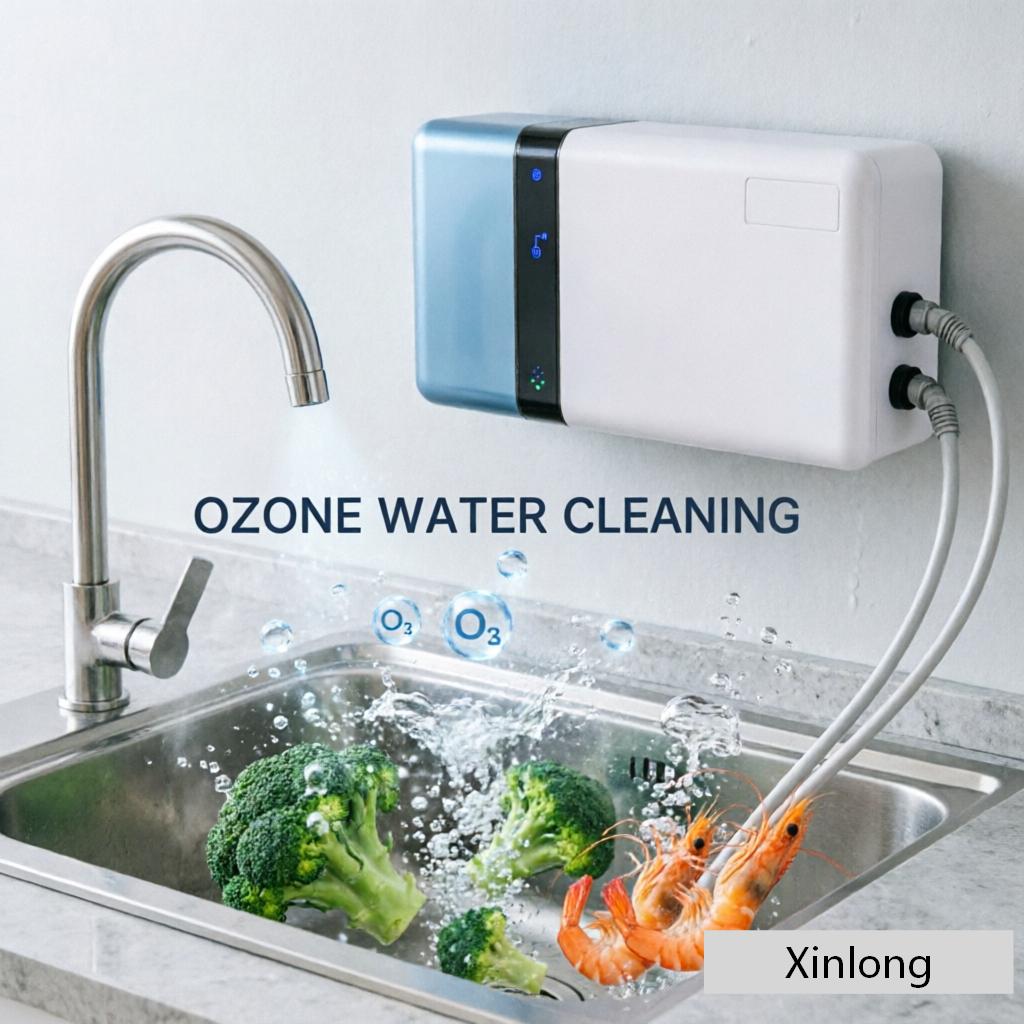
Beyond air, ozone is a powerful water purifier. Unlike chlorine, it leaves no taste or chemical byproducts – it simply reverts back to oxygen. For household use, ozonated water can be applied to:
- Washing vegetables and fruits – Removes pesticides, bacteria, and extends shelf life.
- Cleaning meat and seafood – Reduces surface pathogens like Salmonella and E. coli.
- Disinfecting dishes and utensils – Sanitizes without hot water or chemicals.
- Gargling and oral care – Use ozonated water as a mouthwash to kill oral bacteria; also rinse toothbrushes and sponges.
- Drinking water – Ozone purifies tap water, removing chlorine taste, viruses, and cysts (e.g., Giardia).
How to Use Ozone for Household Water Treatment
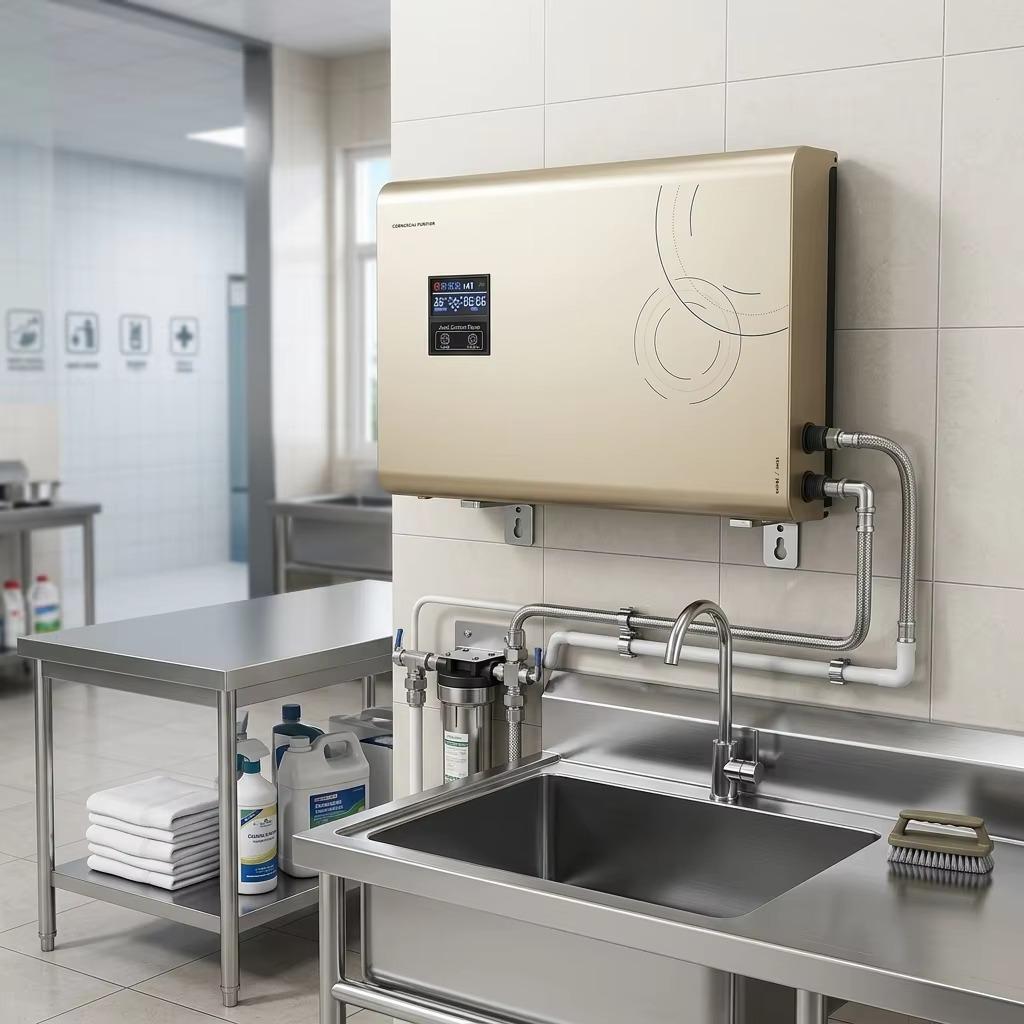
You’ll need a small ozone generator with a diffuser stone (often sold as “ozone water purifiers”).
For washing produce and meat:
- Fill a bowl with cold tap water.
- Insert the ozone diffuser and run for 5–10 minutes until water looks slightly milky (ozone bubbles).
- Add fruits, vegetables, or meat. Soak for 10–15 minutes.
- Rinse with plain water – ready to eat or cook.
For disinfecting dishes, toothbrushes, and sponges:
- Place items in a bowl of water and bubble ozone for 10 minutes.
- Or rinse them under running ozonated water.
For drinking water:
- Run ozone into a glass or pitcher of water for 5–8 minutes.
- Let it sit for 2 minutes (ozone half-life is short), then drink. The water will be crisp and free of microorganisms.
💡 Tip: Ozone dissipates quickly. Prepare ozonated water fresh before each use.
Why Choose Ozone Over Chemicals?
| Feature | Ozone | Chlorine / Bleach |
|---|---|---|
| Residue | None (turns into oxygen) | Chemical residues remain |
| Taste | No taste | Chlorine taste |
| Kill speed | Very fast (seconds to minutes) | Slower (minutes to hours) |
| Environmental impact | Ozone-friendly (no VOCs) | Harmful to aquatic life |
| Safety for food | Safe when rinsed | Requires thorough rinsing |
Important Safety Guidelines (Read Before Use)
- Never inhale ozone directly – Use only in unoccupied spaces for air treatment.
- Do not exceed recommended run times – Ozone is a powerful oxidizer; overuse can damage rubber seals, fabrics, or plants.
- Store the generator out of reach of children.
- For water treatment, always rinse food after ozone soaking, though residual ozone converts quickly to oxygen.
- Check local regulations – Some countries restrict ozone generator sales; ensure compliance.
Conclusion: A Cleaner, Greener Home with Ozone
Ozone is a versatile, chemical-free tool that can dramatically improve your home environment – from eliminating airborne viruses and mold to safely sanitizing your food, dishes, and drinking water. When used correctly and safely, an ozone generator is a smart investment for health-conscious families.
Ready to try ozone purification? Start with a small, certified home ozone unit and follow the steps above. Your lungs, your kitchen, and the planet will thank you.
Frequently Asked Questions (FAQ)
Q: Is ozonated water safe to drink?
A: Yes, after ozone dissipates (a few minutes), the water is pure and safe. Just avoid drinking it immediately while bubbles remain.
Q: Can I use ozone in a room with electronics?
A: High ozone concentrations can corrode metals and rubber. Remove or cover sensitive electronics, or use the generator at a lower setting.
Q: How often should I run air purification?
A: Once a week for 30 minutes per room is enough for maintenance. After illness or mold exposure, you can do more frequent sessions.
Q: Does ozone remove all pesticides from vegetables?
A: Studies show ozone effectively breaks down many common pesticides. For best results, combine with a brief scrub.
Have questions about choosing the right ozone generator? Contact us – we’re happy to help you find the perfect solution for your home.
Related Posts