




Ozone Generator Working Principle: How Does an Ozone Generator Work? (Complete Guide)
Discover how an ozone generator works, from the basic ozone definition to the disinfection and deodorization mechanism. Learn safe usage tips, avoid common myths, and understand the difference between household and industrial ozone generators.
Are you struggling with persistent odors, mold, or bacteria in your home or business? You may have heard about ozone generators as a powerful solution. But how does an ozone generator work? Is it really safe and effective?
In this complete guide, we will break down the ozone generator working principle in simple terms, explain how ozone destroys contaminants, and help you understand the critical differences between household and industrial ozone generators. By the end, you’ll know exactly whether an ozone machine fits your needs—and how to use it without risks.
Let’s start with the basics.
1. What is Ozone? (A Simple, Easy-to-Understand Explanation)
Imagine the fresh, clean smell after a heavy thunderstorm. That distinct crispness is actually ozone at work.
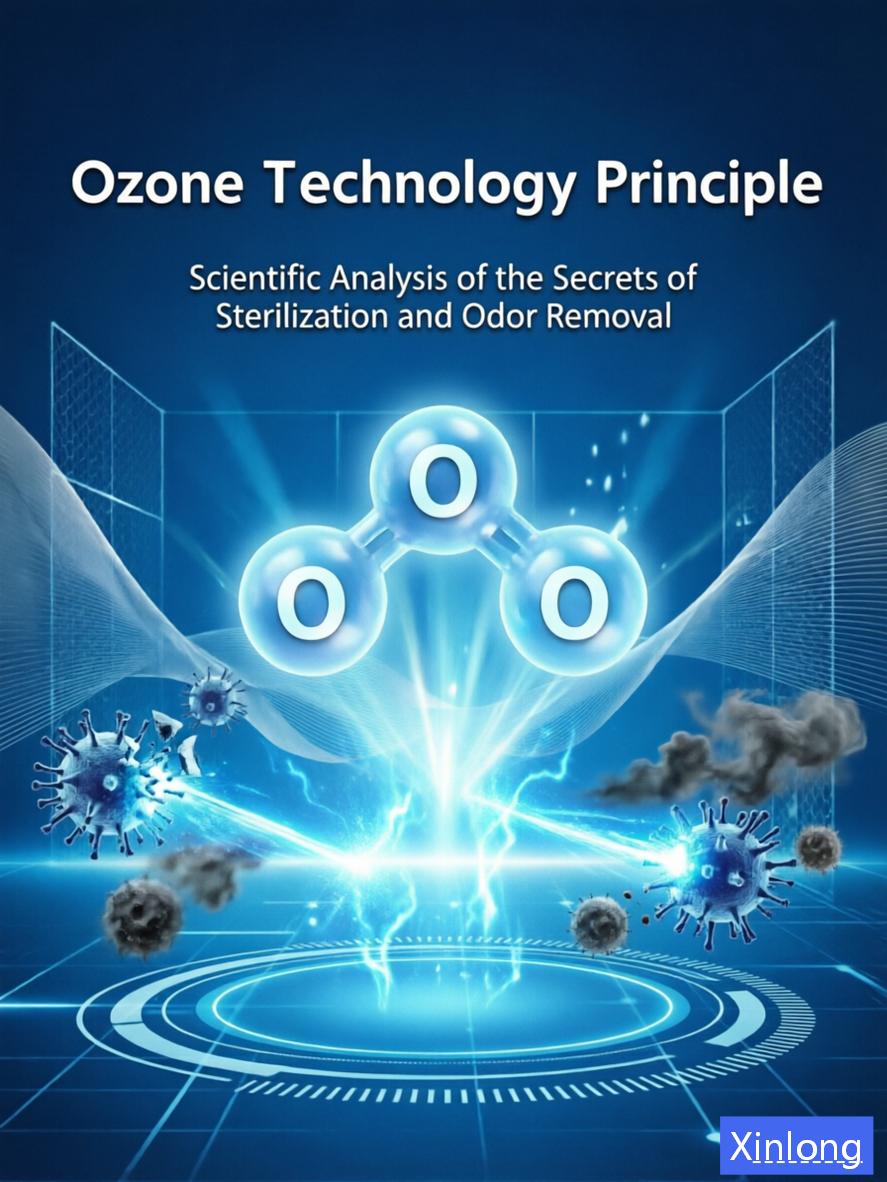
Ozone (O₃) is a molecule made of three oxygen atoms. The oxygen we breathe every day has two atoms (O₂). Ozone is simply O₂ with an extra oxygen atom attached.
Think of it this way:
- O₂ = calm, stable oxygen
- O₃ = energetic, reactive oxygen
That third oxygen atom is not tightly bound. It desperately wants to break free and attach to anything it can—like bacteria, viruses, mold, or odor particles. This “extra energy” is what makes ozone such a powerful natural cleaner.
In nature, ozone forms when sunlight or lightning splits O₂ molecules, and the free oxygen atoms then combine with other O₂ molecules to create O₃. High up in the atmosphere, ozone protects us from UV radiation. At ground level, we create it artificially using ozone generators for disinfection and deodorization.
Key takeaway: Ozone = oxygen + one extra atom → highly reactive → great at cleaning, but needs respect.
2. The Working Principle of an Ozone Generator: How to Generate Ozone
Now for the core question: How does an ozone generator work?
An ozone generator artificially produces ozone by breaking apart normal oxygen molecules (O₂) and reforming them as O₃. There are two main technologies to achieve this:
A. Corona Discharge Ozone Generator (Most Common)
This is the technology used in most industrial ozone generators and many high-performance household units.
How it works:
- Air (or pure oxygen) passes through a high-voltage electrical field inside the generator.
- The electrical corona (similar to a tiny lightning bolt) splits O₂ molecules into single oxygen atoms.
- These single atoms collide with other O₂ molecules to form O₃.
Advantages: High ozone output, energy-efficient, suitable for continuous operation.
Typical use: Large spaces, water treatment, food processing, and heavy odor removal.
B. UV Ozone Generator (Ultraviolet Light)
This method mimics the sun’s natural ozone production.
How it works:
- A special UV lamp (typically 185 nm wavelength) shines on air or oxygen.
- The UV energy splits O₂ molecules, and they recombine into O₃.
Advantages: Simpler, no high voltage, produces less ozone (safer for small spaces).
Typical use: Small household units, spas, refrigerator deodorizers.
Key point: Corona discharge produces much higher ozone concentrations than UV. For serious contamination or industrial needs, corona discharge is the go-to technology.
3. Mechanism of Ozone Disinfection and Deodorization
Why is ozone so effective at killing germs and removing smells? Let’s dive into the ozone disinfection mechanism and ozone deodorization process.
How Ozone Kills Microorganisms (Disinfection Mechanism)
Ozone is one of the strongest oxidizers available—stronger than chlorine or bleach.
Step-by-step:
- Ozone’s unstable third oxygen atom seeks out cell walls, membranes, and internal structures of bacteria, viruses, fungi, and protozoa.
- It attacks and breaks down the cell membrane through a process called cell lysis (rupturing).
- Ozone also damages the DNA and RNA inside the pathogen, preventing it from reproducing.
- The pathogen dies quickly, often within seconds of contact.
Scientific fact: Ozone is 3,000–5,000 times faster than chlorine at killing bacteria and viruses. It works on E. coli, Salmonella, Listeria, mold spores, and even coronavirus strains (in controlled environments).
How Ozone Eliminates Odors (Deodorization Mechanism)
Bad smells are usually caused by volatile organic compounds (VOCs), bacteria, mold, or smoke residues. These are complex molecules.
Ozone deodorization works by oxidation:
- Ozone molecules collide with odor-causing molecules (e.g., hydrogen sulfide for rotten eggs, ammonia for urine, or aldehydes from smoke).
- The extra oxygen atom breaks apart the odor molecule into harmless, non-smelly substances like carbon dioxide, water, and oxygen.
- Unlike air fresheners that mask smells with perfumes, ozone destroys the source of the odor permanently.
Example: After a house fire, ozone generators remove smoke smell not by covering it up, but by oxidizing the soot particles clinging to walls and furniture.
Bottom line: Ozone doesn’t just “clean” superficially—it chemically transforms pollutants into safe, odorless compounds.
4. Safe Use of Ozone (Avoid Common Misunderstandings)
Ozone is powerful, but it must be used correctly. Many people have misconceptions. Let’s separate fact from fiction.
Critical Safety Rules
| Do ✅ | Don’t ❌ |
|---|---|
| Use in unoccupied spaces (no people, pets, or plants) | Breathe ozone directly – it irritates lungs |
| Ventilate the room for 30–60 minutes after treatment | Use in occupied rooms like bedrooms or offices |
| Follow manufacturer’s exposure time (e.g., 10–30 minutes per room) | Leave generator running indefinitely |
| Set ozone output based on room size | Assume higher ozone = faster results (dangerous) |
Common Misunderstandings (Myths vs. Reality)
Myth 1: “If a little ozone is good, more is better.”
Reality: Ozone above 0.1 ppm (parts per million) can cause throat irritation, coughing, and lung damage. Always follow safety guidelines.
Myth 2: “Ozone removes dust and pollen.”
Reality: Ozone does NOT filter particles. You still need a HEPA filter for dust, pollen, or pet dander. Ozone kills living contaminants and oxidizes odors, but doesn’t trap solid particles.
Myth 3: “Ozone is safe to breathe at low levels.”
Reality: The U.S. EPA and OSHA state that even 0.1 ppm for 8 hours can harm lung function. Always treat the area while unoccupied and air out afterward.
Myth 4: “All ozone generators are the same.”
Reality: Household vs industrial units differ massively in output, durability, and safety features. See next section.
Golden rule: Ozone is a treatment tool, not an air purifier for continuous use. Use it in empty rooms, then ventilate.
5. Difference Between Household Ozone Generators and Industrial Ozone Generators
When shopping for an ozone machine, you’ll notice a huge price and size range. Here’s why the household vs industrial ozone generator distinction matters.
| Feature | Household Ozone Generator | Industrial Ozone Generator |
|---|---|---|
| Ozone output | 50 – 500 mg/h | 5,000 – 500,000+ mg/h |
| Technology | Often UV or low-power corona | Corona discharge, sometimes with oxygen feed |
| Duty cycle | Intermittent (10–30 min on, long off) | Continuous 24/7 operation |
| Construction | Plastic housing, small fans | Stainless steel, sealed, corrosion-resistant |
| Safety features | Basic timer, maybe remote | Built-in ozone monitor, emergency shutoff, leak detection |
| Typical applications | Small rooms, cars, closets, refrigerators | Water treatment plants, food factories, large warehouses, livestock farms |
| Price range | $50 – $300 | $1,000 – $20,000+ |
| Lifespan | 1–3 years | 5–10+ years |
Which One Do You Need?
- Household ozone generator: Perfect for occasional use – removing pet smells from a car, clearing cigarette odor from a living room, or treating mold in a basement. Limited coverage area (up to ~500 sq ft).
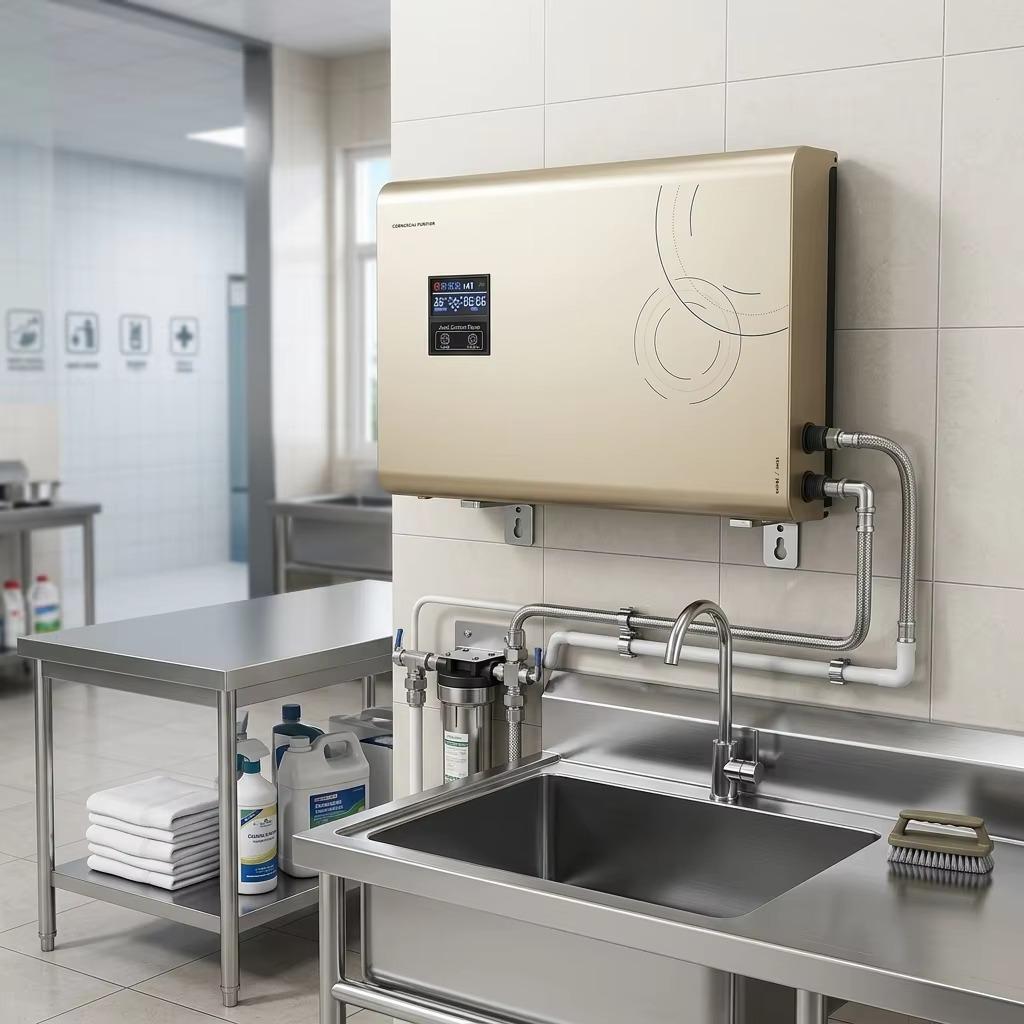
- Industrial ozone generator: Required for commercial water disinfection (e.g., bottled water plants), large-scale air treatment (warehouses, hotels after fire damage), or food processing line sanitation. Built to run daily for hours.
Pro tip for buyers: Never buy an industrial-grade unit for home use – it will create dangerously high ozone levels. Conversely, a household unit will fail quickly in a factory setting.
Conclusion: Is an Ozone Generator Right for You?
Now you understand the ozone generator working principle from start to finish:
- What is ozone? A reactive form of oxygen with a third atom.
- How does an ozone generator work? Using corona discharge or UV light to split and reform O₂ into O₃.
- Ozone disinfection mechanism: Destroys cell walls and DNA of pathogens.
- Ozone deodorization: Oxidizes odor molecules into harmless compounds.
- Safety: Always use in unoccupied spaces and ventilate afterward.
- Household vs industrial: Choose based on output, duty cycle, and application.
If you need to eliminate stubborn odors, kill mold, or disinfect a space without harsh chemicals, an ozone generator is an excellent tool – provided you respect its power.
Frequently Asked Questions (FAQ)
Q: Can I use an ozone generator in my bedroom while sleeping?
A: Absolutely not. Ozone is a lung irritant. Use only in empty rooms.
Q: How long after ozone treatment can I re-enter?
A: After the generator stops, wait at least 30–60 minutes with windows open or fans running.
Q: Does ozone remove cigarette smoke smell?
A: Yes. Ozone oxidizes the tar and nicotine residues on surfaces, not just the airborne smoke.
Q: What’s the difference between an air purifier and an ozone generator?
A: Air purifiers (HEPA + carbon) continuously filter particles and some gases. Ozone generators are for shock treatment – they kill living contaminants but require the room to be empty.
Q: Where can I buy a reliable ozone generator for commercial use?
A: For industrial-grade units with safety certifications, contact our team. We supply corona discharge ozone generators for water and air treatment worldwide.
Need a Custom Ozone Solution?
Whether you need a compact household ozone generator or a heavy-duty industrial system, understanding how ozone generators work is the first step to making the right choice.
👉 Contact our experts for a free consultation. We’ll help you select the correct ozone output, technology, and safety setup for your application – home, car, office, restaurant, factory, or water plant.
[Request a Quote Today]
Related Posts